
Do I Need a Commercial EPC to claim the Feed in Tariff for my Business?
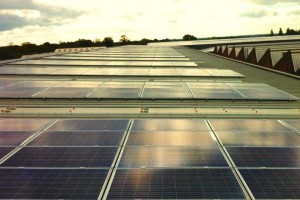
If you are a company looking to benefit from the feed in tariffs, there are a few prerequisites that you need to meet. And just like a domestic property, you will need a valid EPC to get the payment. What…
How many solar panels can I fit on my roof?
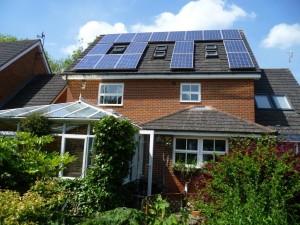
Solar panels are now an affordable way to reduce your demand on the electric grid by producing your own electricity. That is without even taking into account the Feed-in Tariff, which pays you for every unit of electricity created, regardless…
Solar PV Feed-in Tariff Reducing on 1st April 2014
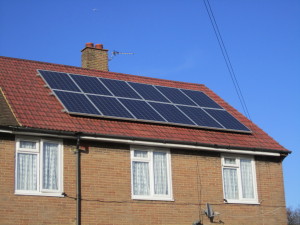
On the first of April 2014, the headline solar PV feed in tariff is reducing to 14.38p / kWh from 14.90p / kWh. For an average 4 kW system (16 panels), this would reduce the annual return by about £20.…
November Feed-in Tariff cuts for Solar PV
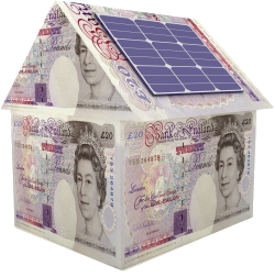
Solar PV panels – are they still worth it? The benefits of solar energy are obvious – free sunlight can cut your electricity bills, you can be paid for the electricity you generate (even if you use it) and you…
1st August 2012, Changes To The Feed-in Tariff

The Headline Cuts To The Feed-in Tariff On the 1st August 2012, the solar PV Feed-in Tariff saw another round of cuts, with the subsidy dropping from 21p to 16p per kilowatt-hour. This latest fall in the subsidy comes hot…
Smart Export Guarantee
What is the Smart Export Guarantee? After the closure of the Feed in Tariff (FiT), the government introduced The Smart Export Guarantee (SEG) which launched in 2020. The scheme allows growth in electricity generation from green microgeneration technologies. How does…
Commercial Feed in Tariff
The Feed-in Tariff is closing to new applications on the 1st April 2019. All applications for new installations wishing to receive the subsidy need to be confirmed before that date. The commercial Feed-in Tariff lets businesses and other commercial…
FiT Contract For Difference (cfd)

FiT Contract for Difference (CfD) is the new mechanism for electricity generation that is set to replace the Renewables Obligation (ROs) from 2017.