
We must get asked this question about 100 times a day!
It is obviously fundamental to everything we do here at TheGreenAge; if we can show our customers how to slow down the rate at which heat leaves their homes then we can help save them money.
In this blog, we are going to take a look at some of the basic principles behind this – what should you do to stop the heat loss in the home? And in what order? What provides the best cost benefit?
All is revealed below, but we haven’t gone in to too much detail. Click on the hyperlinks to take you to different parts of the website, where you can learn much more about the particular item/s you have an interest in. Enjoy – and as always let us know what you think in the comments below!
The Thermal Envelope
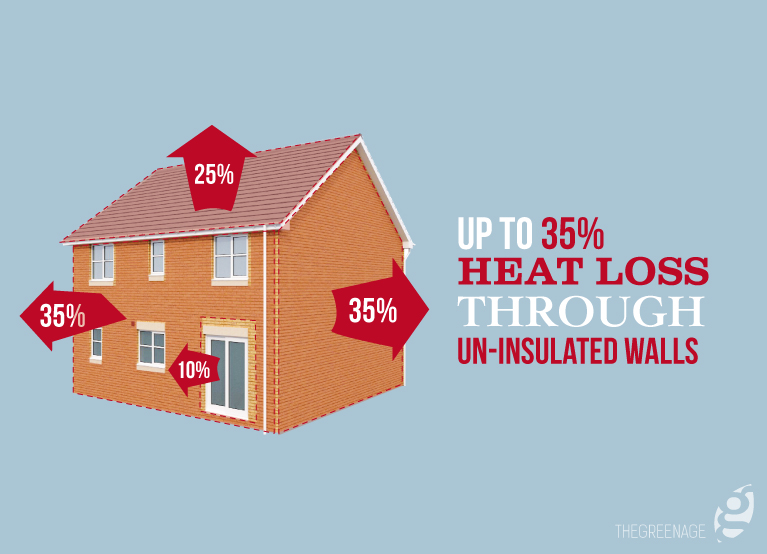
Give or take, about 25% of the heat produced by your boiler will escape through the roof of your home.
About 35% of the heat will escape through the walls and through gaps, in and around windows and doors, and about 10% of heat will disappear through the floor. Collectively the roof, walls (+ windows and doors) and the floor are known as the thermal envelope.
If you can slow this movement of heat from inside the house, through the thermal envelope, to the external environment, you can dramatically reduce your energy bills. In modern houses, building regulations stipulate that homes have to be built to do just that – but how exactly do you go about retrofitting these solutions into older homes?
Stop heat leaving through the roof
Install loft insulation in the roof space. This is the no.1 best thing to do for energy efficiency in the home – it is really cheap, easy to do and the payback can be just two years or less.
You will need to decide if you want a warm loft or a cool loft, and what exactly you want to do with the loft space (for example do you want to store boxes up there or be able to walk around?)
In addition you need to decide the insulating product you want to use – mineral wool, sheep wool, rigid insulating board or even newspaper. There are lots of options for you to consider, but we love these recycled rolls from EarthWool.
Stop heat leaving through the walls
Walls tend to come in two forms – solid walls and cavity walls.
As a rule of thumb, properties built prior to 1930 will have solid walls and anything built after will have cavity walls.
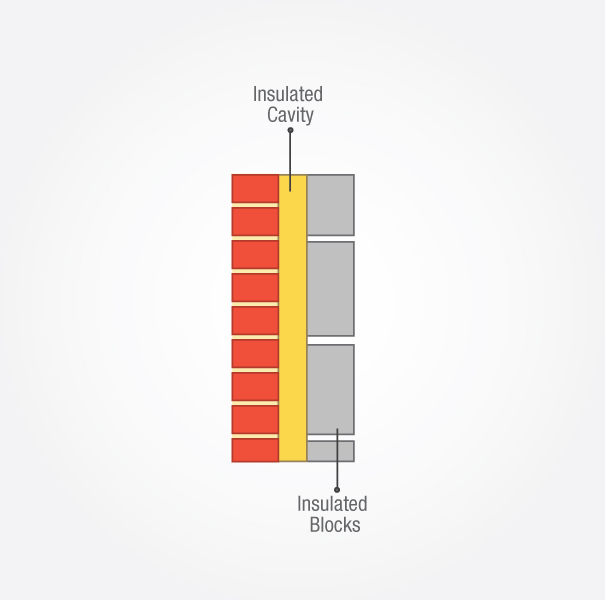
Cavity walls are incredibly easy to insulate; the walls are simply injected with insulating material, which slows the movement of heat across it. This is cheap and well worth doing, again with a relatively quick payback – however a professional will need to install this for you.
If you have solid walls, things are more complicated – there is no cavity that can be filled, so the walls need to be insulated either externally or internally. This is costly to do, and externally it involves cladding (so you will lose the feel of the brick). Meanwhile if you opt for insulation internally, you will lose some floor space. There is a grant available to help cover some of the costs of getting solid walls insulated – it is called ECO.
Insulating your walls is well worth doing since it accounts for the biggest source of heat loss – click on the hyperlinks within the sections above to learn more about the processes involved.
Windows – important, but not as influential as you may think!
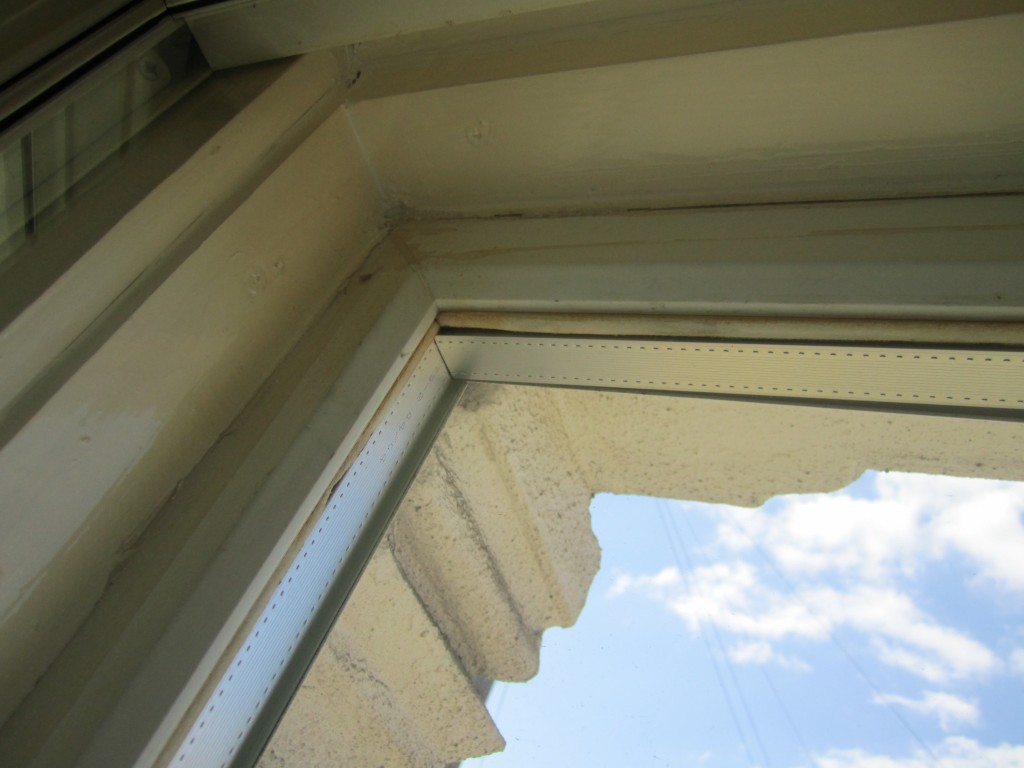 We get lots of calls about windows, people want to replace them with double glazing to help stop heat loss and keep the home warmer.
There are two issues to consider here – firstly think of the area of glazing in your home compared to the area of actual wall. Normally there is substantially more wall area than glazing, so always target the walls first. Secondly, double glazing is expensive – to replace a wooden sash window with a wooden double glazed unit may cost you £1200 PER WINDOW!
So what is the energy saving from changing one single glazed window to double-glazed?
Perhaps £5 – £10 per year
That is not to say it is not worth doing, double-glazing will improve the comfort of the home by stopping heat loss, cold draughts and improve soundproofing. However, from a cost perspective you may want to consider other measures first. Secondary glazing is a simple and easy alternative; companies like Ecoease make bespoke secondary glazing at a fraction of the price of traditional double glazing – you can find them here.
Draught proofing – cheap, cheerful and quick payback
 Draught proofing is often overlooked, but think about an open chimney in your home. Cold air will rush in and the expensive warm air that your radiators have created can simply rise up and out of the chimney. If you draught proof the home effectively this can be prevented.
Draught proofing can be installed around doors, windows, loft hatches, floorboards – in fact in all sorts of places, so click on the links to find out more about your specific problem areas in your home.
How to stop heat leaving through the floor
Standing on a cold, draughty floor is miserable, but you can do something about it! Insulating floors will stop heat escaping but if you are looking something a little bit more, you can install underfloor heating in conjunction with a traditional boiler, or better still a heat pump. This will allow you to heat the home and do away with radiators forever! Insulating floors is a relatively simple process and like walls, there are two main types – solid floors and suspended timber. Find out how to insulate them by clicking here!
Quick mention of U-values
When exploring energy efficiency in the home – you may encounter the term U-value. It is not one to be scared off, it actually simply refers to heat loss.
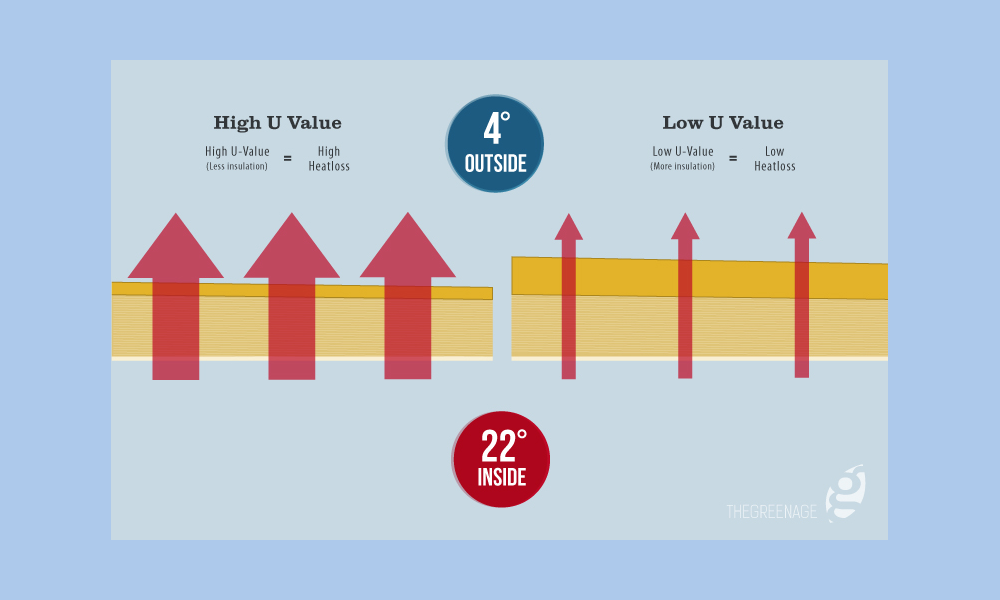
The lower the U-value the better, so an unfilled cavity wall might have a U-value of 2.0 W/m2k, while filling the cavity might take the u-value down to 0.2 W/m2k.
You’ve done all that – what next?
So now you have insulated the home, less heat is going to escape – or at least the rate at which it escapes into the external environment will have slowed.
Now it is time to consider the heating system. The more efficient the heating system, the less it will cost to run your house.
When to upgrade your heating system
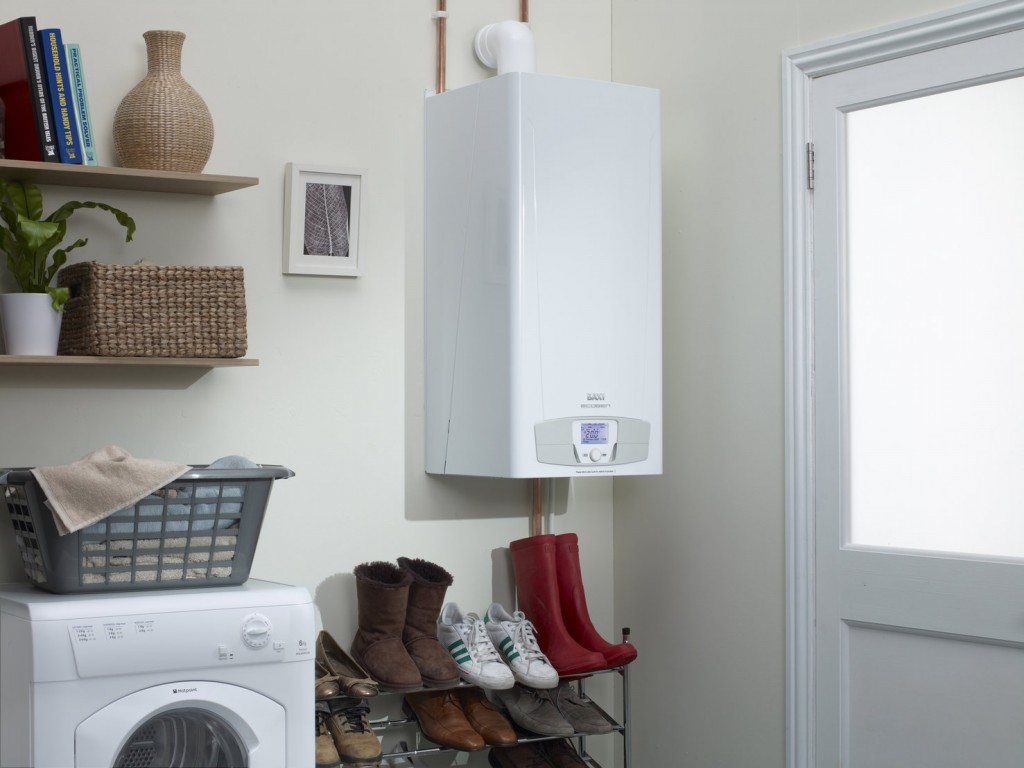 Most people in the UK have a mains gas boiler – but just how efficient is it? A new energy efficient condensing boiler should be 90% + efficient. This means it will convert 1 unit of gas into 0.9 units of useful heat. A boiler 10 years old or more might be just 65% efficient – so depending on your energy usage it may be worth installing a new one.
Other more efficient heating solutions include air and ground source heat pumps, and with these you will soon be able to benefit from the generous Renewable Heat Incentive scheme (RHI), which will provide you with a payment for every unit of hot water you produce.
You might like to consider Biomass boilers, these run on sustainable biomass pellets, so are ‘carbon neutral’. Installing a biomass boiler will also allow you to take advantage of the RHI.
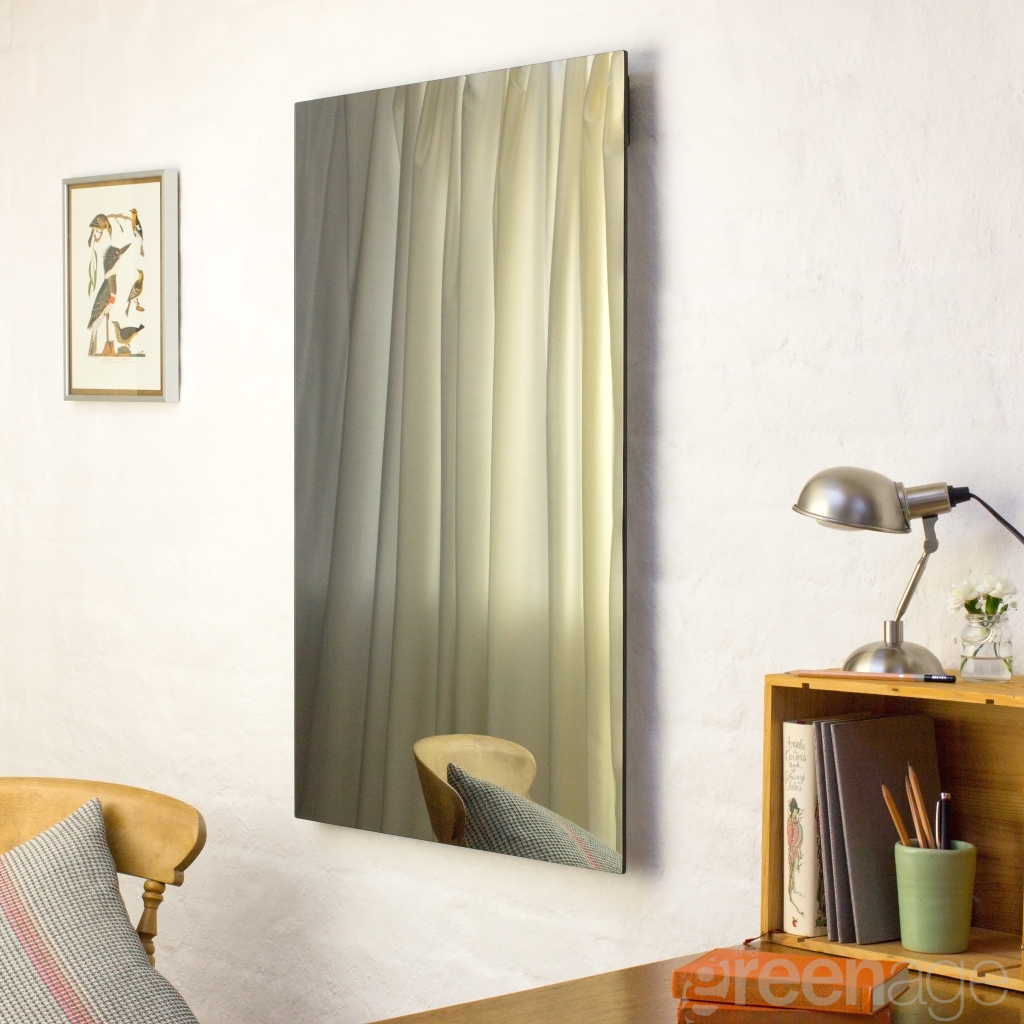 Infrared heating panels are another great way to heat your home. These panels emit infrared (like the sun – don’t confuse with harmful UV!) to heat spaces.
These are more efficient that traditional convection heating systems (radiators) since they don’t use air as the medium for heat transfer. Instead the infrared will travel until it hits a solid body and then warm that directly. The panels warm up quicker and as soon as they are up to temperature you feel the warmth, compare that to a radiator and how un-reactive that is!
If you only have access to electricity (no mains gas), these infrared panels are definitely worth considering.
The importance of heating controls
The importance of heating controls should not be underestimated. Typically there are three technologies that make up heating controls in the home, thermostatic valves on radiators (normally known as TRVs), thermostats and programmers. If you don’t have heating controls, but you do everything else we have listed above you are going to have a very hot home and not really save much money.
The reason for this is that you will use the same amount of gas – but the heat won’t be able to escape. Ideally the heating system turns off automatically when the temperature reaches a certain point – normally about 200c. This means that the boiler (or whatever heating system you have in place) will turn off and you won’t be continue burning gas unnecessarily.
<<< Read More About The Most Efficient Way to Use Central Heating >>>
Finally – producing your own energy
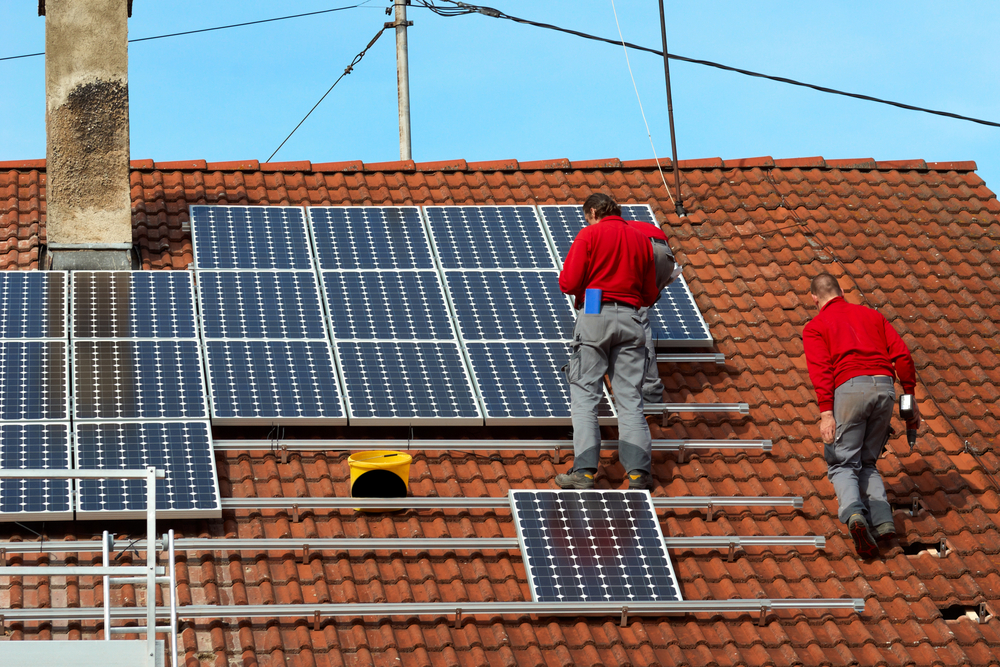 Everyone likes the idea of being energy self-sufficient. Having solar panels, wind turbines or hydro electric that provide you with all your electricity means you can wave goodbye to the energy companies. In practise this is very hard due to the limitations of energy storage. However these technologies will help you reduce your reliance on the grid. Electricity is expensive; it has gone up 10% each year for the last 8 years. Any way of lessening your demand on grid electricity can only be beneficial to insulate yourself from future price increases.
So there you have it – our whistle-stop tour of how to limit the amount of heat leaving your home, become more energy efficient, save money on bills and do your bit for the environment. Seems a bit of a no-brainer to us!





[…] saving – On average a home loses 35% of its heating or cooling through air leaks around windows and doors. Our electric roller shutters provide an additional layer to assist in […]
[…] least 35% of the heat in your home will escape through unrepaired holes. Consider how that would affect orangeries given […]
[…] between the walls, floor, windows, doorways and the roof of your home you will lose 70% of the heat that you generate through heating your […]
[…] walls make up around 35% of heat loss in a home. Heat in the home can easily escape through walls unless you have some form of insulation […]
[…] because homes are never perfectly insulated, even with the heat on there is still going to be some measure of heat loss going on. The more heat you are losing, the more fuel you will need to burn to maintain a […]
[…] fact, more heat is lost through uninsulated walls (35%) than through the property’s […]
[…] One of the biggest culprits of energy loss in the home is the wrong flooring. In fact, on average, 10% of the heat generated by your boiler will escape through the […]
[…] fact, more heat is lost through uninsulated walls (35%) than through the property’s […]
[…] Image credit […]
[…] windows, from where most of your home’s energy escapes, along with doors, if it’s the seal, resealing any cracks or holes can stop the issue […]
[…] soliton you have this winter, you’re not wasting money on its escape! As a whopping 35% of heat escapes through walls and gaps, and 10% through the floor, its crucial to target these areas for maximum efficiency and to be […]
[…] hot air from the heating system will find its way to colder areas of the house, and an estimated 25% is lost through the roof and attic. Additionally, in freezing conditions, a poorly insulated roof will […]
[…] you looking for pitched roof insulation? Research suggests that up to 25% of your home’s heat is lost through the roof. So ensuring that your pitched roof is […]
[…] 10% of your home’s heat is lost through the ground floor, so it should be insulated if at all […]
[…] Image credit […]
[…] element of your bill. The reason behind this is that most houses lose heat, as demonstrated by http://www.thegreenage.co.uk. Indeed, unprotected warmth can escape from your house through the roof, the windows and doors, and […]
[…] not realise it, but poor insulation is one of the biggest causes of energy loss in a home. In fact, 35% of a property’s energy is lost through the walls alone if they’re poorly […]
[…] as of December 2020, there were an estimated 8 million uninsulated lofts in the UK. Considering that 25% of energy is lost through the roof – that’s some major money going down the […]
[…] [2] The Green Age – Where Am I Losing Heat in My Home? https://www.thegreenage.co.uk/where-am-i-losing-heat-home/ […]
Not so sure that one of your calculation is correct… 1 sqm of single glass have a transmittance of 5 w./k. That mean if inside you have 20 and outside its 4 your total dispersion is 5 x (20-4)x24h = 2kwh per day. Or 1 cubic m of Lpg each 4 day during thee winter season.That, if it last 160 days mean 40 cubic meter, I don’t know the price in Uk but in europe its around 1 pound.So, its around 40 pounds a year each sqm. Average windows is what ? 1.5 sqm ? so its 60 pound a year./ windows . Roi will be around 20 year.
[…] it or not, about 35% of the heat escapes through the walls and through gaps, in and around windows and doors. This can lead to energy waste […]
[…] (2019) Where am I losing heat in my home?, TheGreenAge. Available at: https://www.thegreenage.co.uk/where-am-i-losing-heat-home/ (Accessed: October 28, […]
[…] efficiency. Did you know that lofts can be one of the least energy-efficient parts of our home? 25% of the heat produced in our home will escape through the roof without proper […]
[…] is estimated that around 35% of heat will escape through the walls and gaps in and around your windows – meaning window coverings can […]
[…] as slugs and spiders to set up shop in your home. What’s more, worn-down insulation can cause up to 35% heat loss, meaning you need to crank up the cheating even more. Sealing gaps and upgrading the insulation […]
[…] 70% of the air in your home escapes via your walls, roof, and windows. You can keep more air inside the home by weatherstripping doors […]
[…] to install wall insulation. Given that around one-third of all the heat lost in an uninsulated home escape through the walls, it makes sense to begin here. Most homes in the UK have cavity walls, and the gap can be filled […]
I am not sure if this blog is still monitored. Does anyone have any experience with Wallrock Thermal Liner KV600? Is it worth the effort and cost to install on external facing walls if cavity insulation is not an option. Million dollar question – by how much could this liner reduce heat loss? For example; If uninsulated walls heat loss is 35%, does installing the liner reduce heat loss to 30%, 25% or 20%?
[…] Certificate (EPC). The better the heat retention in your home, the higher the EPC rating. Reports suggest that a quarter of your home’s heat is lost through the roof, while up to 35% is lost […]
[…] Data shows that around 25% of the heat you generate for your home is lost through the roof, so loft insulation would be a great place to start in better insulating your home. […]
If i have a installed cavity room inside 18C out side 5C .how many degrees i lost in an hour?
[…] systems won’t have to work as hard to maintain a comfortable temperature, which can lead to significant energy savings throughout summer and beyond. So if you’re looking for a way to save energy and money, […]
[…] 25% […]
[…] per month for your energy bills, it could be a sign that there is damage to your roof. Around 25% of a home’s heat is lost through the roof and even more will be lost if there is damage! This means that you’ll be running your boiler for […]
[…] a building’s energy is lost through the external walls of a property (check out this article on Green Age). This percentage can increase even more if the walls are unsound, cracked, or weathered in any […]
[…] insulation in your loft, you are almost certain to see an increase in your energy bills, as 25% of a home’s heat escapes through an uninsulated roof. The best time to address this issue is during a reroofing project, though you can improve the […]
[…] where do you lose the most heat at home? According to The Greenage, it is estimated that around 25% of the heat from the boiler will escape through the roof, 35% […]
[…] outdated doors in the winter to enhance their home’s energy efficiency. Doors and windows together account for nearly 35% of a house’s heat loss. Gaps and damage around a door’s exterior border can create a draft, […]
[…] loss that occurs through the floor and is a truly inexpensive way to warm up your home. As much as 10% of the heat produced inside your home will be lost through the floor. It’s especially important […]
[…] loss that occurs through the floor and is a truly inexpensive way to warm up your home. As much as 10% of the heat produced inside your home will be lost through the floor. It’s especially important […]
[…] TheGreenAge reports that approximately a quarter of heat generated by a home’s boiler escapes through the […]
[…] Air leaks are happening all over your home. You may be able to guess that a lot of your air leaks happen around doors and windows that are not sealed properly. But would you guess that there is air leaking through your walls, floors, and ceilings? (Visit this website for a more extensive list of air sealing trouble spots.) Think about these numbers: […]
[…] much easier on the wallet, and they’ll help cut down on electricity. We lose as much as 10 per cent of our home’s heat through the floors, so covering them is an easy way to boost […]
[…] much easier on the wallet, and they’ll help cut down on electricity. We lose as much as 10 per cent of our home’s heat through the floors, so covering them is an easy way to boost […]
[…] is not just about improving cavity wall or roof insulation, though these are the main sources of heat loss. If we intend to change a floor surface, it makes sense to take the opportunity to increase the […]
[…] 25% of the heat produced in a home will escape through the roof. This part of the building is vital to protect, insulate, and it covers a vast exterior surface. […]
[…] can arguably be the most beneficial home improvement when it comes to controlling energy loss. With 35% of energy loss going out your walls and 25% through your attic, adding insulation to these spaces can significantly lower your heating […]
If I click the link to insulating floors I get the article on insulating solid walls!
[…] outdated doors in the winter to enhance their home’s energy efficiency. Doors and windows together account for nearly 35% of a house’s heat loss. Gaps and damage around a door’s exterior border can create a draft, […]
[…] much easier on the wallet, and they’ll help cut down on electricity. We lose as much as 10 per cent of our home’s heat through the floors, so covering them is an easy way to boost […]
[…] 25% of the heat produced in a home will escape through the roof. This part of the building is vital to protect, insulate, and it covers a vast exterior […]
[…] your house is not well insulated, it loses a lot of heat, so you will have to keep the heat on more often and for longer to be comfortable. As a result, your […]
[…] loft insulation. A well-insulated loft can save you hundreds of pounds every year. Around 25% of the heat produced by the boiler will escape through the roof. Adding loft insulation is an affordable way to stop this from happening and boost your home’s […]
[…] are much easier on the wallet, and they’ll help cut down on electricity. We lose as much as 10 per cent of our home’s heat through the floors, so covering them is an easy way to boost […]
[…] are much easier on the wallet, and they’ll help cut down on electricity. We lose as much as 10 per cent of our home’s heat through the floors, so covering them is an easy way to boost […]
[…] are much easier on the wallet, and they’ll help cut down on electricity. We lose as much as 10 per cent of our home’s heat through the floors, so covering them is an easy way to boost […]
[…] are much easier on the wallet, and they’ll help cut down on electricity. We lose as much as 10 per cent of our home’s heat through the floors, so covering them is an easy way to boost […]
[…] are much easier on the wallet, and they’ll help cut down on electricity. We lose as much as 10 per cent of our home’s heat through the floors, so covering them is an easy way to boost […]
[…] sure you aren’t losing heat from your home via inefficient windows and doors. Poorly maintained or damaged window seals can allow heat to […]
[…] insulated, others can be laid over existing insulation. What many people do not know is that about 25% of your heat will be lost through the roof of your house. By properly insulating, you can prevent this heat […]
[…] it doesn’t just protect you from the elements but also keeps your home comfortable. About 25% of heat escape to your roof, leading to higher energy usage and more work from your HVAC system. Installing […]
[…] your home warm. What many people don’t know is that 10% of the heat that your boiler produces escapes through the floor. By having heated floors, you can heat your home much more […]
[…] ventilation and draughts account for roughly 20% of all heat loss in a typical home. Keeping your windows and doors closed, as well as sealing any draughts or holes, will have a […]
[…] is estimated that the roof is responsible for as much as 25% of energy loss in a home, so reducing this number should be a major […]
[…] The average UK home loses about 10% of the heat through doors and windows. In order to keep your home warm during the winter and cool during the summer, efficient glazing is required. If your home is in a noisy area or close to a road, you may wish to invest in insulated windows and doors which will allow you to enjoy a quieter home. […]
[…] usually loses significant amounts of heat through windows, doors and the roof. This means that it loses energy and exhaust natural resources to do more. Restoring and then recycling warm air makes for a much […]
[…] between the walls, floor, windows, doorways and the roof of your home you will lose 70% of the heat that you generate through heating your […]
[…] TheGreenAge explains that, while upgrading to double glazing can indeed help, there are various other measures you could […]
[…] can account for nearly 10,000 gallons of wasted water indoors and outdoors every year. And, about 35 percent of a room’s heat will escape through the walls and in and around windows and […]
[…] up to a third of your home’s heat escaping through windows, you’re basically throwing money out of your windows if they’re due for replacement. […]
[…] heating bills and increased energy efficiency – It’s estimated that the average home loses 25% of its heat through the roof. The most effective way to reduce this loss is with a warm roof […]
[…] heating bills and increased energy efficiency – It’s estimated that the average home loses 25% of its heat through the roof. The most effective way to reduce this loss is with a warm roof […]
[…] most window film is not as effective at maintaining or reducing heat all year round. According to The Greenage, windows account for 10% of heat loss in your home. We should mention that one way to solve this is […]
[…] on is an expensive luxury, and when 10% of heat is lost through windows and doors (according to The Green Age), paying for extortionate heating bills can be a bit of a kick in the […]
[…] the attic can take as little as a day, and can provide huge savings over time. It is estimated that 25% of heat wasted floats out the roof. Dropping a quarter of your wasted energy is sure to lower your heating […]
yes omg works so much so happy thankds xxxx
[…] lose considerable amounts of heat through windows, doors, and the roof, and this means that it’s losing energy and having to drain natural resources to create more. Recovering and then recycling warm air leads […]
[…] This is the same in the winter when you are trying to keep your home warm. According to The Green Age, about 35% of heat will escape through the walls, windows, and […]
[…] 25% of your home’s warmth is lost through the roof, according to The Green Age. The process of converting your loft involves adding insulation to your roof, which will trap the […]
[…] lose a lot of the heating that you’ve had on all day during the winter. However, cool air also escapes through a roof, so in the colder months, you will often find that a conservatory is far too chilly to enjoy […]
[…] your floor isn’t insulated properly, a substantial amount of heat can leak through. In fact, 10% of your home’s heat is lost through the floor, and homes without sufficiently insulated floors can […]
[…] 35% of heat escapes a home through the walls, which makes it the biggest contributor to that astonishing figure of 70%. Installing vinyl siding to the outside of your property can help with this loss as it acts as another layer of skin for the building with foam included to insulate the home further. A company specializing in Vinyl siding Kansas City, mo can help you decide if this is a worthwhile approach to insulating your house. […]
[…] we have energy efficient doors and that we stop as much heat as possible from leaking through our walls and roofs. One particularly effective way to do this is to install loft and roof insulation, and by adding […]
[…] generally lose 10% of their heat through windows and doors. Installing double glazed windows can reduce this heat loss, keeping your home warmer, and again, […]
[…] is extremely important, particularly in areas prone to bad weather. Did you know that up to 35% of the heat in your home is lost through poorly insulated windows? All that lost heat doesn’t just make for a cold home, it also makes for rising energy […]
what is the total percentage of energy lost overall from a building?
[…] 3 The Green Age. Where am I loosing heat in my home? http://www.thegreenage.co.uk/where-am-i-losing-heat-home/ […]
[…] nezateplenou strechou povaly je pomerne veľká plocha, preto je druhá v poradí miest na dome, kadiaľ uniká najviac tepla. Keď teplu nedovolíte dostať sa preč z domu cez podlahu na povale, ušetríte celkom slušné […]
[…] mercury plummet across the country. By taking action as soon as temperatures begin to fall, you can make your home more comfortable this autumn and prepare your property for the winter months. Keep reading to find out […]
[…] bill is so high? The answer could be right in front (or in this case, above) youyour roof! About 25% of the heat you lose during the winter and the heat you gain during the summer passes through the roof. When […]
[…] to The Green Age, approximately 25% of the heat produced by your boiler will escape through the roof of your home. […]
[…] Why? Because it can really help out when it comes to preventing heat from escaping your home. Plus, the foil insulation products we offer don’t come with restrictions regarding what areas you can cover. They can be installed anywhere where that heat loss might be a problem. […]
[…] are lots of things you can do to prepare your home for cold weather. However, with 25% of heat loss occurring through your roof, and 35% through your walls, your first line of defense is clear: good […]
[…] TheGreenAge: Energy lost in the home stats: https://www.thegreenage.co.uk/where-am-i-losing-heat-home/ […]
[…] rises, so it’s no shocker that 25% of heat in your home is lost through the roof. Come colder months, that translates to increased utility […]
[…] next big energy loss is heat rising through the roof. In fact for many homes, 25% of the heat produced by your boiler escapes through the roof. There are a few things you can do. […]
[…] TheGreenAge: Energy lost in the home stats: https://www.thegreenage.co.uk/where-am-i-losing-heat-home/ […]
[…] homes typically have a lot of draughts and air leakage which will make the use of a heat exchange system rather pointless. If you were to have a heat […]
[…] consider the amount of energy used in each room. At least 25% of your home’s energy loss happens through windows and doors regardless of how many panes are fabricated into the windows. In […]
[…] first things prospective buyers will ask about. The first thing to think about is loft insulation. Up to 25% of your home’s heat is lost through the roof, so getting it insulated can make the world of difference to the comfort of your home. Next, look at […]
[…] the winter chill sets in, did you realize that you could be losing up to 25 percent of your home’s heat through the roof ! But, there is a simple solution. Here […]
Thanks for this very informative article!
I landed here in search of a solution for my heat-loss problem:
I have a duplex apartment at the ground-floor of a shared house. The living-room and kitchen are located on the ground floor (with a garden at the back), but the two bedrooms are located underground, and with large windowed-doors allowing access to the garden via external stairs.
In the bedrooms it is always cold (and especially during winter), and I’m searching for ways to reduce the massive heat-loss. Given that the windows take 70-80% of the exterior walls of the bedrooms, what options do I have for heat-loss reduction?
I cannot reduce the size of the windows and replace them with walls, because: 1) they will no longer be able to be used as doors; 2) it will get really dark inside the bedrooms.
Also note that to the left and right of the bedrooms there are other adjacent houses, so there are the bedrooms of the neighbours, since we are living on a street with row-houses.
Interesting! I think our house is around 20+ years old – so just before all the new regulations came in that keeps new houses so toasty warm.
I’m told it was a kit? Wooden frame on the inside and breeze blog outside with a layer of rough cast. Only storage heaters up here in the highlands, no gas,
The walls are cold to the touch and the house is cold all Winter.
I’ve been told because of the construction I can’t insulate the walls?
What’s the truth?
[…] Around 25% of your home’s heat can be lost through your roof. This is a significant figure which, if reduced, can help keep the heat in your home and lower your heating bills. Installing loft insulation is an effective way to help prevent heat from escaping out of your attic. If you are a competent DIYer and you have an easy access loft, you may even be able to insulate the space yourself using mineral wool rolls. However, for the best results and materials, depend on a professional. […]
I have recently moved into a house built in the 1960s and it doesn’t have cavity wall insulation. I applied for free cavity wall insulation and the engineer carried out an assessment and said I didn’t meet the criteria as there was debris in parts of the cavity. He said the only option was to get a builder to remove some of the bricks and clean the cavities. Are there any other options other than going to all this expense, is it worth asking another company for a second opinion? Many thanks.
Hi Sue- yes, we would definitely recommend getting a second opinion!
[…] much as 35% of heat in your house is lost through the walls and windows. In cold climates or with new constructions, double-pane windows are standard for proper […]
[…] grants and schemes that can help subsidize the installation of insulation in your home. A large percentage of heat lost in homes is lost through the roof. The proper conservation of indoor heat will reduce the need for […]
[…] After uninsulated walls and attic spaces, windows and doors are the #3 biggest causes of heat loss in your home. […]
[…] yeah, don’t forget the doors either! 35% of a home’s energy is lost through portals like windows and […]
[…] yeah, don’t forget the doors either! 35% of a home’s energy is lost through portals like windows and […]
[…] in now without checking the insulation first, you could be in for even more nasty surprises. Fully 60% of the heat that leaves your home travels through the walls and roof if they’re not insulated […]
[…] Did you know that up to 35% of heat loss occurs due to un-insulated walls? […]
Hi, my 2nd story is freezing in winter and hot in summer also part of the main floor is this way. I have all new windows and the attic has been reinsulated. Why am I having trouble heating my home please help
Hi Eric. Often it simply comes down to the walls of the property being poorly insulated. Imagine a cube as your house. You have insulated the top face of the cube (the attic) but the 4 sides are where the majority of heat loss will occur. These are the areas you really need to concentrate on just because the area of heat loss is so much larger.
The issue with this of course is that insulating walls (espicially if they are not cavity walls) can be very very expensive.
[…] of heat is lost through your roof, so make sure your loft insulation is adequate – it should be at least 270mm thick. 35% of […]
[…] 3 The Green Age. Where am I loosing heat in my home? http://www.thegreenage.co.uk/where-am-i-losing-heat-home/ […]
[…] in time for winter can not only liven up a room, but also help ensure it stays warmer for longer. Heat is lost through the floorboards and covers them – even only part of them – will really help. Plus who doesn’t […]
[…] sure your insulation is up to scratch. Your house loses a huge amount of heat through the walls and the roof, so buy cheap insulation wadding to improve this. It will also help […]
[…] drafty and cold they can be. Putting up with drafty windows does more than just leave you cold it runs up your energy bill as well. Drafty windows are costing you money. Getting your windows replaced by a window […]
[…] the cavities, you can trap hot air with insulation and reflect the air back into your property. The walls, the roof, and the basement are the main culprits when it comes to insulation, but also, take a look at the windows and the […]
[…] 35 percent of the heat that escapes your home will slip through un-insulated walls, around windows and doors, and through your ceiling. Consider […]
i cant help but notice that the percentages at the top do not add up to 100,please tell me why
Hi Scott, thanks for your comment. In fact the infographic was never designed to add up, but merely demonstrate graphically where the heat was being lost with associated percentages. Due to design constraints, the representation of draught proofing losses and losses from floors were not represented.
hi House gets cold and my cavity walls of insulated, however it seems that the insulation was left in a plastic wrapping when it was installed. Is this normal? And if not is it still possible to get cavity wall insulation?
Hi Stuart, some insulation does live in plastic wrapping once it is installed (not the packing that it arrives in!) – it just depends on the make of insulation installed so without this information we wouldn’t be able to tell you.
I have a solid wall house how do i insulate the whole of the house
Hi Sam, when you can’t inject the cavity (i.e. for a solid wall house) you have two options – firstly you can insulate the walls internally by adding insulation to the inside surface of the walls. The other and more effective way of insulating a solid wall property is to add 100mm of insulation to the outside surface of the wall.
Was just wondering if I would be eligible for a grant for my heating system broke on Christmas Day iAm getting a heating system put in today
Hi Sharon, yes – there are grants to help, but they cannot be claimed retrospectively – so if you are getting your new heating system installed today then you unfortunately won’t qualify. Sorry!
Hi,
I have a house where previous to my ownership a few windows were filled in but the builders did not replace the cavity wall insulation (polysyrene ball). I know this as I have used an endoscope to look into the cavity.
I cant find any company who can survey and repair this type of insulation. Its crazy as there must be a lot of houses from the 80 to 2000s who have cavity wall insulation that need to repaired.
Any suggestions welcome.
Simon
Hi Simon, if it is only partial repair then it is unlikely companies are going to offer this. We work with South West Insulation and extraction to remove and reinsulate (properly!) cavity walls, but they will normally only do complete extraction prior to re-insulating.
The public can be bewildered into inertia by all the energy saving and energy generating options out there. Informative blogs like this deserve a wide audience.
Thanks very much David – your comments are much appreciated!
This breaks down all the basics very nicely – good job!
This is a very useful article!
Hello Greenage, thanks for this, i was wondering wether there are any grants to help me replace my storage heaters in my home. My husband and i live in a block of flats with no gas, and the heaters are almost as old as i am so sure there is a more efficient way to heat the house.
Hi deidre,
There is now a grant in the form of the Green Deal Home Improvement Fund that should help cover some of the costs – although the maximum payment here is £1000. If the cost of the installation in your case is larger than the £1000 on offer, then you can cover the rest with Green Deal finance, to help minimise any upfront costs on your behalf.
Very useful tips I need to follow your advice on wall insulation .many thanks Robert
Thanks for that- I will contact he firm tomorrow to get our insulation date booked!
Really helpful article and interested especially in insulating walls- think our best option is cladding which also looks like the most expensive. Contacted a company and there was some discussion about getting it done before April. Can I ask why if we want cladding installed it has to be done by end of March? Trying to push company to get it done but they seem to be stalling a little…..not to sure if we should keep the pressure on or if we can relax about it!? Thank TheGreenAge!
Hi Lizzie, This is mainly because of the ECO grant, the whole grant system is currently under review by the energy companies, so contracts with the suppliers (the guys fitting the insulation) are coming to an end and then will be re-thrashed out around that time. Hence they will want to get as much of the work done by this time as possible and for you, you will benefit because the grants will be more generous now than in the future! I would push them like crazy to get it all installed!
Great blog. Just moved into a new house and it was freezing, despite the fact that my heating was on full blast. Read this blog, have made a few amendments to the gaff and it’s like a sauna now. Never knew you lost so much heat through your roof! Cheers Green Age
Found this increadibly helpful, as well as interesting. Really useful for people like myself who have just moved into a new place. Efficient learnig!!!
Great blog ,many useful tips I will be following up many of them in the near future.
Thanks for sharing such useful information with us. We find that every consumer interested in energy efficiency asks these types of questions, therefore answering them with a simple approach laid out by you guys will put them at ease.
Extremely informative and practical article on making existing homes more energy efficient. I will share this on our Fairbuild Homes Facebook page. Keep up the excellent work!
Ok