
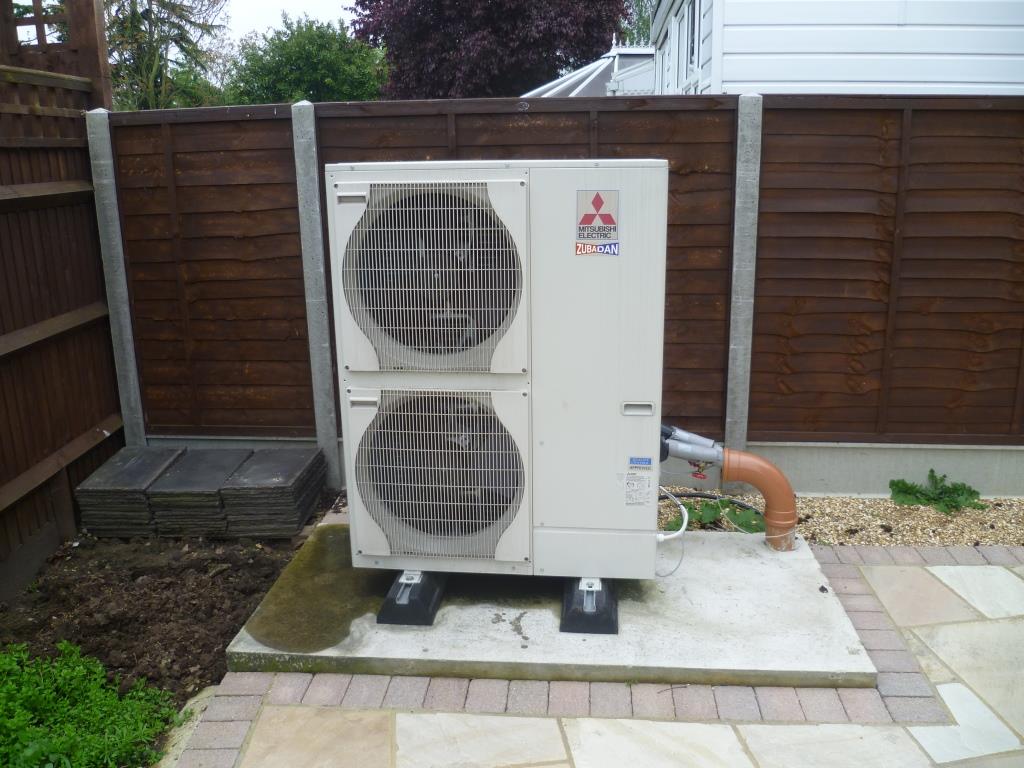
A well insulated house is key prior to installing a heat pump
With the launch of the Warm Homes Plan in 2026 (Government’s flagship domestic energy efficiency policy), more and more of the funding has been allocated toward decarbonising the heating systems in our homes. With that policy in mind, we are now seeing the mass adoption of heat pumps – particularly air source.
Put simply a heat pump works by transferring heat from an (external) air or ground source into the home. There is no fuel burnt in a heat pump and therefore the efficiency losses in operating this technology are relatively small.
How does a heat pump work?
The science behind heat pumps is pretty similar regardless of whether the heat comes from the ambient air, the ground or even a water source. In the first instance a refrigerant liquid contained in the pump’s pipes is heated up by the heat source (even just be a few degrees), which causes it to evaporate and turn into a vapour.
This vapour is then fed through a compressor, which further drives up the temperature. This then travels through a heat exchanger, which transfers the heat from the refrigerant to water in the home. This heated water can then be used in the home for heating and hot water.
Water temperature versus traditional heating systems
In a traditional central heating system the water is heated when gas is burnt, which can very easily create boiling water, hence radiators can feel scalding to touch and showers can be too hot to stand under.
Conversely the majority of heat pumps currently in the marketplace are best suited for low temperature systems – so for example underfloor heating – 30-450c and radiators that operate at a maximum 550c.
In the case of ground source heat pumps, where the temperature under the ground is relatively consistent all year round, this is really no problem – the hot water can be produced to 550c even in the middle of winter at relatively high efficiency.
For an ASHP, where air temperature varies, this creates a problem. In the middle of the winter when the most heat is needed in the home, the Air Source Heat pump will have to be working very hard to get the water up to temperature – in fact, at this time of year, the Coefficient of Performance (CoP) of an ASHP in the winter can be less than 2, that means that for every one unit of electricity put in to power the heat pump you are getting 2 units of useful heat (an 85% efficient gas boiler has an equivalent CoP of 0.85, but gas is a quarter of the price).
The Key to getting the best out of a heat pump is a well-insulated house
This is a pretty simple idea, but essentially since a heat pump is going to be working at a low temperature, before you even consider installing one, you need to address the state of the insulation in the home. Basically you need to improve it so the heat loss through the walls, roof and floor is minimised, therefore the fact the home is heated to a lower temperature is no issue.
Loft insulation is a pretty easy one to get started with – ideally you are looking to install 270mm of wool insulation in the loft to get the required u-value of 0.16W/m2k. As a DIY job, this should cost you about £5.50 per m2, but getting someone in to do this could cost between £9.00 and £15.00 per m2.
Cavity wall insulation – if you home was built since 1935, chances are it will have cavity walls, which are really easy to insulate – they simply drill into the walls and inject them with insulation – this will require professional installation, but should cost approximately £8.00 per m2 of wall.
Solid walls are more problematic; homes with this type of wall construction need to be clad on the outside with insulation or have the insulation attached inside. This is a costly procedure and may cost upwards of £15,000. Through the Warm Homes Plan, if you are in fuel poverty or currently reside in a social home, then there is assistance both through the Warm Homes Social Housing Fund and / or the Warm Home Local Grant. However for the Warm Homes Local Grant, check with your local authority for funding and qualification criteria.
Most new homes built since the late 90’s will already have more than adequate insulation, therefore a heat pump becomes an easy decision since these homes will retain the heat much better and be much better suited to low temperature heating systems.
Final Points to remember on heat pumps!
Below we have listed a few take home messages from this blog.
- Heat pumps operate at lower temperatures – think 550c max.
- Compare this with gas boilers, which create water at 850c comfortably.
- During the winter an ASHP will need to use a lot of electricity to get the temperature of water up to 550c, so at this time (when heat demand is at its peak) there efficiency is far lower than that of an equivalent Ground source heat pump.
- Before you consider investing in a heat pump, insulating your home is absolutely key.
- Make sure an MCS approved installer carries out any heat pump installation, otherwise you won’t be eligible for the Renewable Heat Incentive.
If you are based anywhere in the UK and want to get a heat pump installed, we can help you through the process to ensure that you get a quality system installed by an MCS installer, as well as potentially find out more about the Warm Homes Plan, then get in touch below.


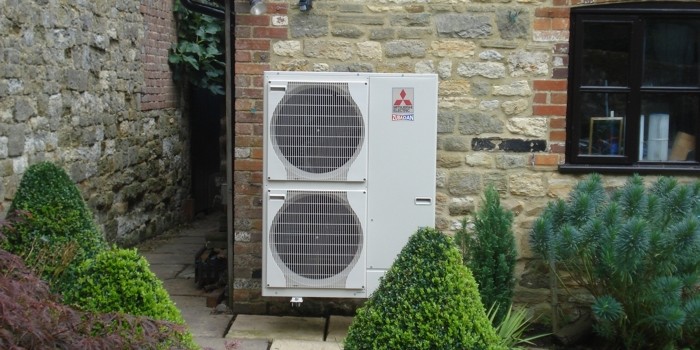

[…] Insulation – Proper insulation is essential for maximising ASHP efficiency, as it minimises heat loss and reduces the amount of work the pump needs to […]
I can’t find anywhere here what changes I’d need to make INSIDE for an Airsource pump..other than the insulation you mention. For example, what would be required to conduct heat from the pump into my home; is whatever that may be compatible with existing pipework and radiators. So how much of the existing gas combi boiler system would need to be replaced?
[…] a lower and more constant temperature, making insulation much more important. This will include Cavity/wall insulation, double glazing, and loft insulation. If you have an older house, they may want to see how well […]
It would have been helpful if you had stated approx what thickness of internal insulation would be requitred
The thickness depends on the existing structure. If cavity wall then start here.if a solid wall, then first investigate external insulation. Otherwise it comes down to internal insulation. internal insulation needs to be done properly otherwise condensation between wall/insulation can be a problem.
I’d be tempted to wait a couple of years until more individuals are trained up and know what they are talking about. In the meantime, insulate your loft to 270mm.
This item is unclear. Our ability to clad externally is very limited – internal insulation is not mentioned