Heat pumps are often presented as the future of home heating in the UK. They’re efficient, environmentally friendly and supported by government incentives. On paper, they seem like a smart choice. In practice, the reality is a little more nuanced, especially if your home hasn’t been properly insulated.
Heat Pumps vs. Gas Boilers: Understanding Efficiency and Costs
A gas boiler burns natural gas to produce heat. With around 90% efficiency, each unit of gas provides almost the same amount of heat in your home.
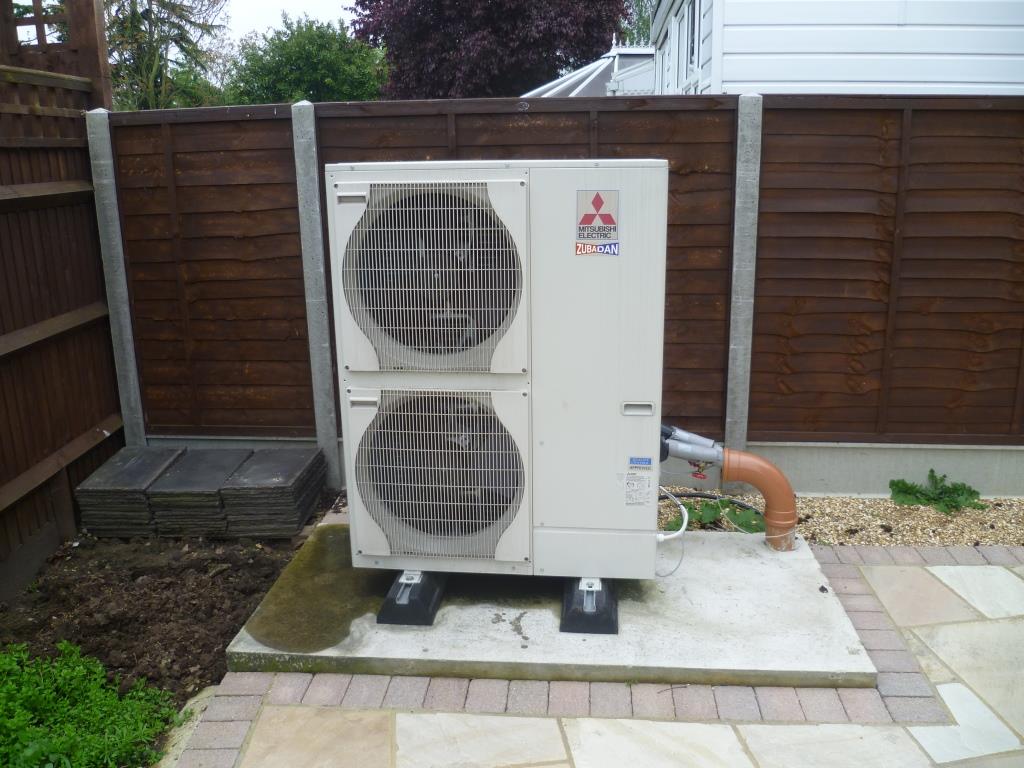
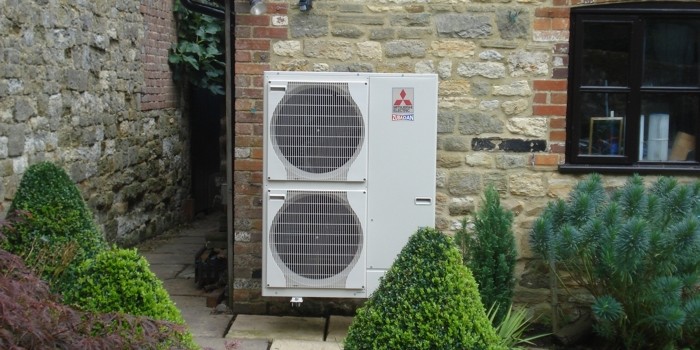
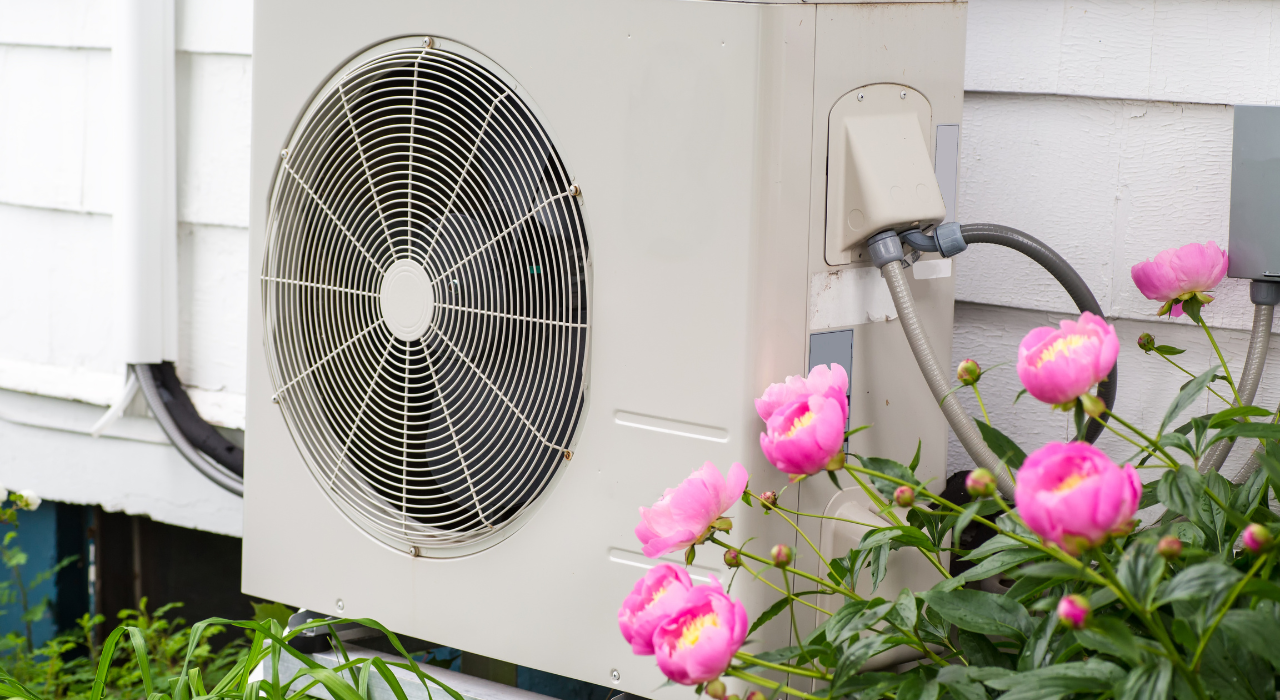
Heat pumps work differently. They don’t generate heat, they move it from outside into your home using electricity. Their efficiency is measured by the Coefficient of Performance, or COP. A COP of 2.8 means that for every 1 kWh of electricity used, the heat pump delivers 2.8 kWh of heat.
It sounds very efficient, but there’s more to consider. Electricity costs in the UK are higher than gas, heating a home can be significantly more expensive than gas (roughly 27.69p per kWh for electricity, 5.93p per kWh for gas). That means:
- Gas boiler: 1 kWh of heat ≈ 6.6p
- Heat pump: 1 kWh of heat ≈ 9.9p
So, even though heat pumps are technically efficient, they can be more expensive to run if your home isn’t prepared.
Why Home Insulation Is Crucial for Heat Pump Efficiency
The “fabric” of a home refers to the structural elements that retain heat: walls, roof, floors, windows, doors and ventilation systems. Many UK homes, particularly older terraces and 1960s builds, lose heat quickly.
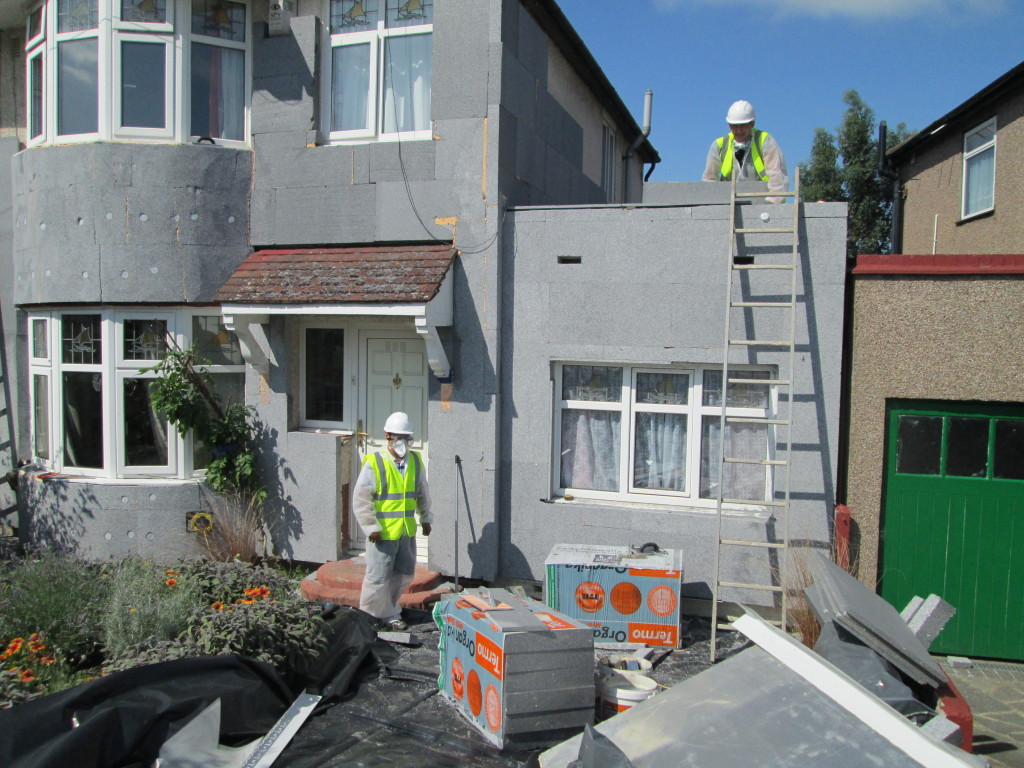
Heat pumps operate at lower temperatures (around 35–55°C) than gas boilers (60–80°C). In a poorly insulated home, a heat pump has to work harder, lowering COP and increasing electricity usage. Improving insulation and airtightness before installing a heat pump is essential, as it helps the system run efficiently and keeps running costs manageable.
Upgrading your home’s insulation in the lofts, walls and windows can make a big difference. For example:
- A poorly insulated home with a heat demand of 15,000 kWh: gas ≈ £988, heat pump ≈ £1,484
- After insulation improvements, reducing heat demand to 8,000 kWh: gas ≈ £527, heat pump ≈ £792
Proper insulation can also allow the heat pump to operate more effectively, making running costs much more manageable.
How Energy Prices Affect Heat Pump Running Costs
Electricity and gas prices are influenced by different factors. Gas is relatively inexpensive, while electricity includes costs for generation, networks and environmental levies. Policy changes, such as the Future Homes Standard and smart tariffs, aim to make low-carbon heating more affordable. But for existing homes, insulation upgrades remain a critical first step.
Heat pumps significantly reduce carbon emissions by 50–70% compared to gas boilers, but to benefit fully, homes need to be thermally efficient.
Practical Advice for Homeowners
Before installing a heat pump, it’s worth starting with an energy audit or EPC assessment to identify where heat is escaping. Next, upgrade your insulation, including lofts, cavity walls, draught-proofing and efficient windows. After that, model your running costs using a calculator that takes into account your home’s size, location and insulation. Finally, explore available grants or financing options to support both insulation improvements and heat pump installation.
Well-insulated homes paired with heat pumps have consistently lower heating costs and a more comfortable indoor environment. Without fabric improvements, the benefits are limited and bills can be higher.
Maximise Savings with Heat Pump and Home Insulation
Heat pumps offer a sustainable, efficient way to heat your home but their potential depends on the home itself. Investing in insulation first ensures lower bills, greater comfort and a meaningful reduction in carbon emissions.
By prioritising the building fabric before installing a heat pump, homeowners can unlock the full benefits of low-carbon heating both financially and environmentally.