The Warm Homes Plan was officially unveiled this morning as the UK Government’s flagship initiative to transform home energy efficiency, slash energy bills, tackle fuel poverty, and drive progress toward net zero emissions.
With a commitment of £15 billion in public funding over the current parliament, the plan targets upgrades to up to 5 million homes by 2030. This could deliver hundreds of pounds in annual savings per household and help lift up to 1 million families out of fuel poverty, while reducing reliance on imported fossil fuels and boosting UK manufacturing in low-carbon tech.
Spotlight on Solar PV and Heat Pumps
The plan combines insulation with low-carbon technologies, placing a strong spotlight on heat pumps and solar PV (including batteries for storage). It introduces a more inclusive “universal offer” – unlike many previous schemes that targeted only low-income or fuel-poor households – by providing government-backed low- or zero-interest loans accessible to all homeowners for installing solar panels, heat pumps, batteries, and related upgrades.
The £15 billion is allocated across several key streams (based on the latest government announcements and related guidance):
- £5 billion for direct support to low-income households. Fully funded packages of upgrades (e.g., solar PV and batteries averaging £9,000–£12,000, plus insulation and heat pumps where suitable).
- £2 billion for consumer loans enabling broader access to low/zero-interest financing for renewables and efficiency measures.
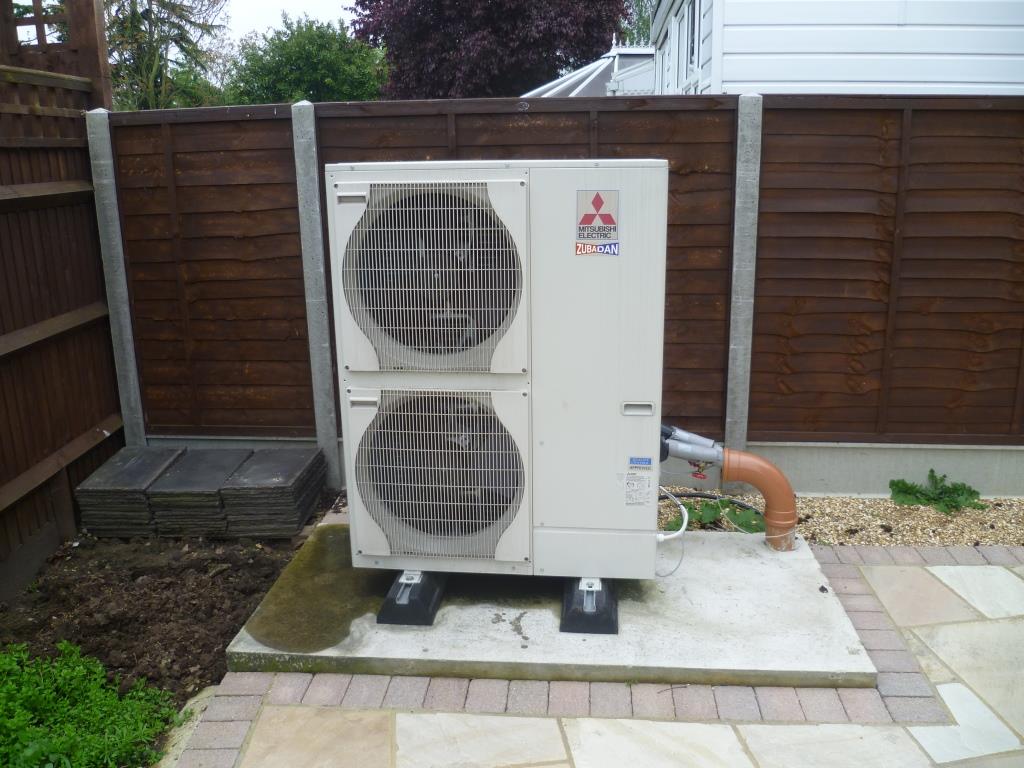
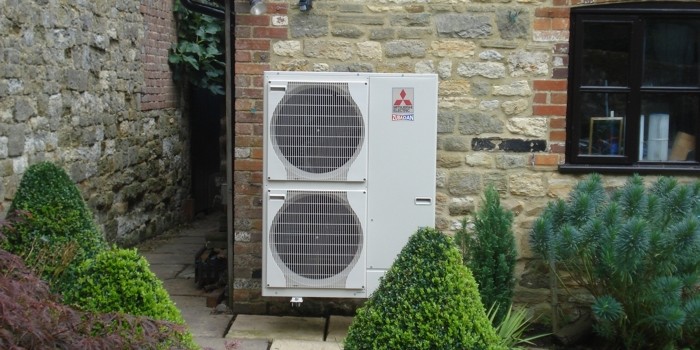
- £2.7 billion for the extended Boiler Upgrade Scheme, continuing the universal £7,500 grant toward air-source heat pumps (extended to 2029/30), with additional options like air-to-air units for cooling.
- £1.1 billion for heat networks (district heating systems).
- £2.7 billion in innovative finance through the new Warm Homes Fund which should help to unlock private investment, green mortgages, and other mechanisms rewarding combined upgrades.
- £1.5 billion for other Warm Homes Plan programmes and allocations to devolved administrations (Scotland, Wales, Northern Ireland).
The government’s Warm Homes Plan document remains notably high-level. It sets out strategic goals, broad funding envelopes, and categories of eligible measures, including insulation (loft, cavity, wall, floor, draught-proofing), solar (photovoltaic and thermal), heat pumps (air/ground source, air-to-air), batteries, smart controls, and more. The report stops short of detailed eligibility criteria, per-measure price caps, precise rollout timelines, or granular delivery mechanics beyond high-level targets.
This leaves open key practical questions: How will funding flow efficiently to contractors and installers? How will local authorities prioritise projects under schemes like the Warm Homes: Local Grant? And crucially, how will quality be assured, given past controversies around botched work, fraud, and poor outcomes in earlier programmes?
Warm Homes Plan – Fabric First is out!
A standout shift in the plan is the reduced emphasis on insulation as the core focus. Schemes like ECO4 and the Green Homes Grant stressed “fabric-first” principles — insulating homes thoroughly before low-carbon heating to maximise efficiency, avoid underperformance, and deliver lasting savings. Those efforts drew criticism for high disruption, elevated costs, low uptake, quality failures (particularly with solid wall insulation), and instances of fraud, contributing to reforms and the non-extension of ECO.
In contrast, the Warm Homes Plan promotes renewables as faster, less invasive routes to immediate bill reductions and carbon cuts. Solar PV can indeed be installed standalone on suitable roofs, generating power instantly with export benefits via smart tariffs. Heat pumps, however, tell a different story.
In our view, this pivot away from a strict fabric-first approach raises genuine concerns about the plan’s long-term success. Heat pumps deliver their best performance (high coefficient of performance/COP, lower running costs, reliable heating) on well-insulated properties. In poorly insulated homes, efficiency drops, electricity demand rises (potentially straining the grid during cold snaps), promised savings may not materialise, and full displacement of fossil fuels becomes harder.
While the plan implicitly recognises this (in short because insulation remains eligible, especially in low-income packages), it stops short of mandating a fabric-first sequence for all funding streams. This flexibility could allow heat pumps or solar installations in homes that aren’t adequately insulated first, risking suboptimal outcomes.
Ultimately, success will depend on how delivery partners (local councils, social landlords, contractors, and the new Warm Homes Agency) interpret and apply the guidance. Will they prioritise integrated upgrades where insulation supports heat pump viability? Or lean toward quicker renewables “wins” to meet headline targets?
Time will tell whether the Warm Home Scheme will be a success
We welcome this substantial new investment into the retrofit sector – it’s a major step forward for energy security, job creation in green trades, and household affordability.
That said, it truly is a case of “time will tell.” We’ll be watching closely as detailed guidance, local delivery plans, and early project outcomes emerge over the coming months.