The UK’s transition towards renewable electricity has taken a notable step forward with the launch of the United Downs Deep Geothermal Power Project. Drawing heat from three miles beneath Redruth, the site is now generating continuous renewable power, contributing to the decarbonisation of the national grid, as reported by the BBC.
Unlike wind and solar, deep geothermal offers consistent baseload energy. It does not rely on the weather and can operate continuously. That makes it a significant addition to the UK’s energy mix as the country works towards lower carbon targets.
However, generating cleaner electricity is only part of the story.
The effectiveness of the UK’s energy transition will depend just as much on the condition of its housing stock as it does on new infrastructure.
Clean Electricity Does Not Automatically Mean Efficient Homes
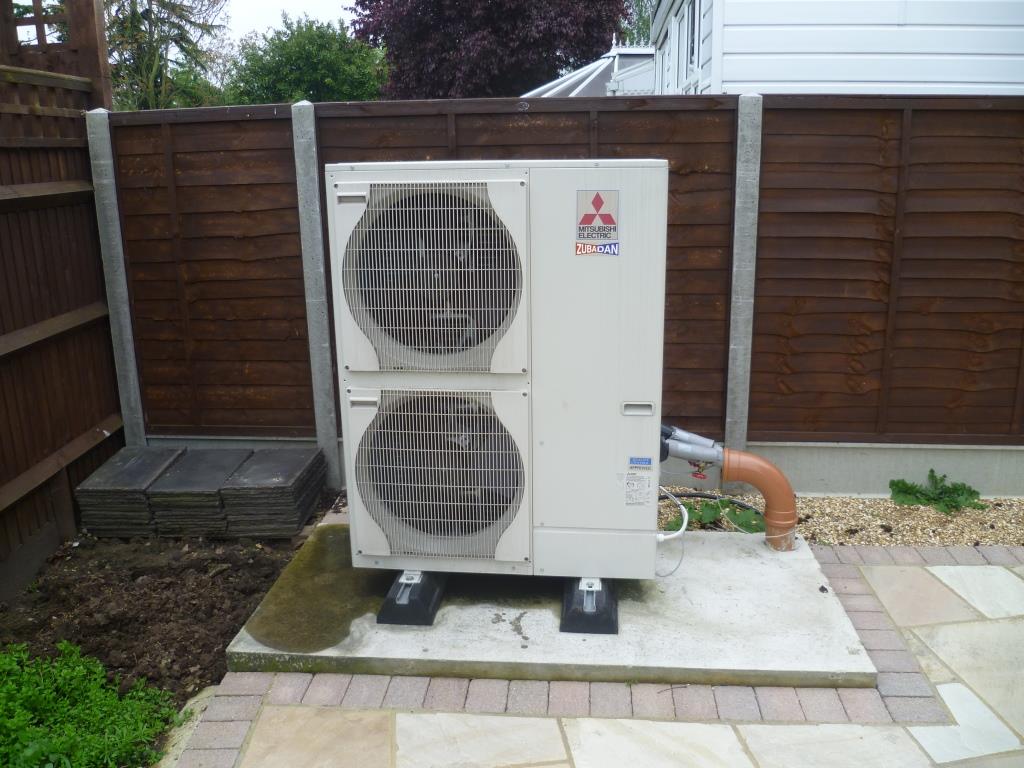
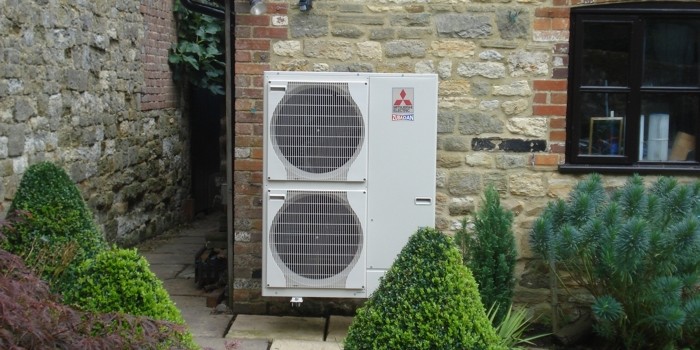
As electricity becomes cleaner and more widely used for heating, particularly through heat pumps, the thermal performance of buildings becomes critical.
Heat pumps operate most efficiently at lower flow temperatures. In poorly insulated properties, especially those with solid walls, heat escapes quickly through the building fabric. This forces systems to work harder, increasing energy demand and reducing overall efficiency.
In other words, electrifying heat without improving insulation risks limiting the benefits of renewable generation.
The transition to low-carbon energy must go hand in hand with improvements to the fabric of UK homes.
The Challenge of Solid Wall Housing
A significant proportion of the UK’s housing stock, particularly pre-1930s homes, was built with solid masonry walls rather than cavities. These properties are inherently harder to insulate using traditional methods.
Solid wall insulation is therefore one of the most impactful retrofit measures available for older buildings. By improving the thermal envelope, it reduces heat loss, enhances comfort and lowers energy demand.
External wall insulation, in particular, provides a continuous layer of thermal protection around the building. It can reduce thermal bridging, protect the underlying structure and improve weather resilience, while also refreshing the appearance of ageing façades.
For many solid wall properties, this type of upgrade represents a substantial improvement in energy performance.
Heat Pumps and the “Fabric First” Principle
As energy suppliers such as Octopus Energy expand renewable supply agreements, including geothermal sources, electrification of heating is expected to accelerate.
Yet there is growing consensus across the retrofit sector around a “fabric first” principle: improve insulation and airtightness before upgrading heating systems.
Installing a heat pump in a poorly insulated home can result in higher-than-expected running costs and suboptimal performance. By contrast, improving wall insulation first reduces overall heat demand and allows low-carbon heating systems to operate more efficiently.
The lesson is clear. Renewable electricity and electrified heating are important, but they deliver the greatest benefit in homes that are thermally prepared.
Heat Networks and Low-Carbon Heating
Heat networks (sometimes called district heating) are another important part of the UK’s strategy for decarbonising heat. Instead of every building having its own boiler or heat pump, heat is generated from a central source and distributed to multiple homes and buildings through underground pipes carrying hot water.
These systems can draw heat from a range of sources including large heat pumps, waste heat from industry or data centres, geothermal energy or combined heat and power plants. In densely populated areas, heat networks can be one of the most cost-effective low-carbon heating solutions because a single system can serve entire neighbourhoods or city districts.
The UK government expects heat networks to play a much larger role in the future energy system, with targets suggesting they could supply around 18% of the country’s heat demand by 2050.
Even with heat networks, improving insulation and reducing heat loss is essential to reduce energy demand and improve system efficiency.
Infrastructure and Housing Must Progress Together
Projects like United Downs demonstrate that the UK is serious about expanding domestic renewable generation. The grid is steadily decarbonising and new technologies are coming online.
At the same time, millions of UK homes still lose substantial amounts of heat through uninsulated walls.
If the UK is to meet its carbon reduction targets and improve energy affordability, infrastructure investment must be matched by large-scale improvements to building performance.
Clean energy generation is advancing quickly. Ensuring homes are capable of retaining that energy may be just as important.