Damp isn’t just a winter problem
When most people think about damp, they picture cold January mornings, condensation running down windows, and clothes struggling to dry indoors.
So it can come as a surprise when signs of damp start appearing during the summer months.
Perhaps you’ve noticed a musty smell in a spare bedroom. Maybe patches of mould seem to linger despite warmer weather. Or perhaps a room simply feels damp and uncomfortable after several days of rain.
The reality is that damp doesn’t disappear when temperatures rise. In fact, certain types of damp can become more noticeable during periods of warm, humid weather.
Understanding why your home feels damp in summer is the first step towards solving the problem.
Why can homes feel damp during summer?
Many homeowners assume that warm weather automatically means dry conditions indoors.
Unfortunately, that isn’t always the case.
During summer, the UK often experiences periods of high humidity. Even when temperatures are comfortable, the air can contain large amounts of moisture.
When this moisture enters your home, it can become trapped in areas with poor ventilation. Over time, this can lead to condensation, musty odours and even mould growth.
A few days of heavy rain can make the situation worse, especially in older properties that already struggle with ventilation or moisture management.
Summer condensation is more common than many people realise
Condensation occurs when warm, moisture-laden air comes into contact with a cooler surface.
Most people associate this with cold winter windows, but the same process can happen during summer.
Bathrooms, kitchens and utility rooms are usually the biggest culprits. Showering, cooking, boiling the kettle and drying clothes indoors all add moisture to the air.
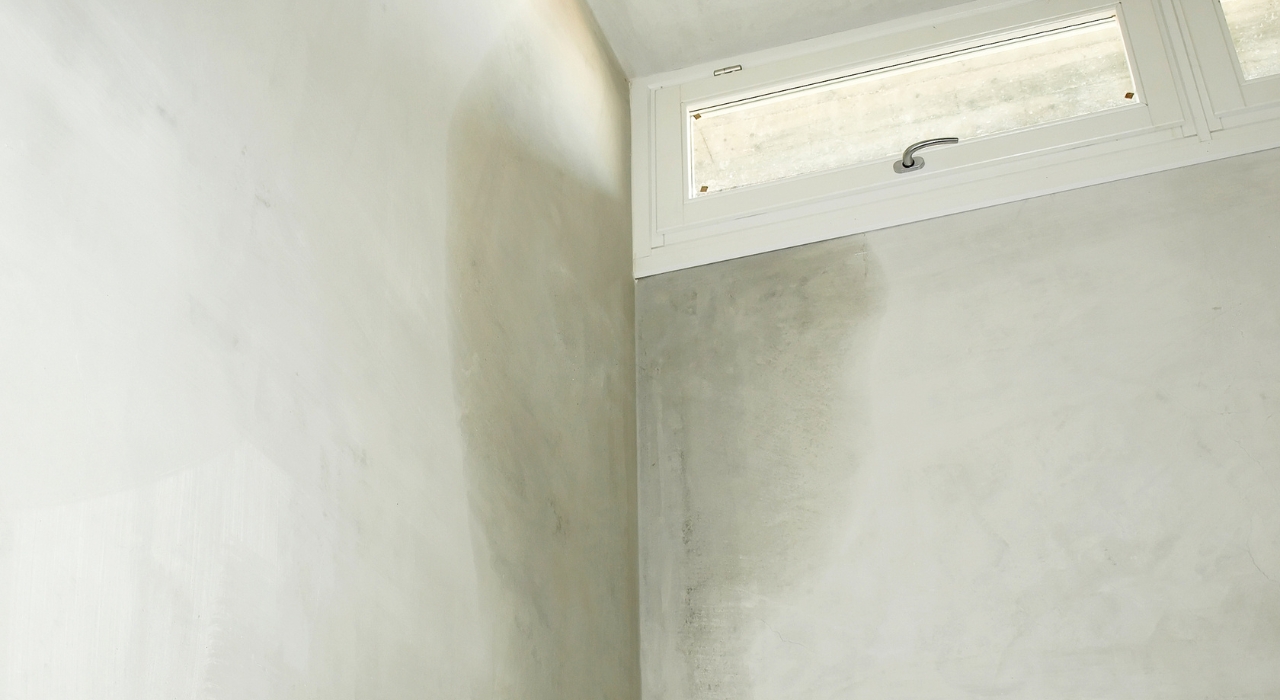
If that moisture has nowhere to go, humidity levels rise inside the home. You may start to notice condensation on windows, mould in corners, black spots around window frames or a general musty smell that never quite goes away.
It can be easy to assume this means you have a serious damp problem, but sometimes the cause is much simpler: too much moisture indoors and not enough ventilation.
Could all this rain be making things worse?
Yes.
While modern homes are designed to keep rainwater outside, prolonged periods of wet weather can increase moisture levels around a property.
Walls may remain wet for longer.
Loft spaces can become more humid.
Outdoor air can carry significantly more moisture into the home.
This doesn’t necessarily mean water is penetrating through your walls. Instead, it often means the building is finding it harder to dry out between periods of rainfall.
This is particularly noticeable in older solid-wall properties, which naturally absorb and release moisture differently from modern cavity wall homes.
Is insulation causing the problem?
This is a question many homeowners ask, particularly if they’ve recently improved their home’s energy efficiency.
The short answer is usually no.
Insulation itself does not create damp.
In fact, properly installed insulation can help reduce condensation risk by keeping internal surfaces warmer.
However, insulation works best when combined with adequate ventilation.
A home that is well insulated but poorly ventilated can still experience high humidity levels because moisture generated inside the property has nowhere to escape.
This is why modern retrofit projects increasingly focus on both insulation and ventilation rather than treating them as separate issues.
Signs your home may have a ventilation problem
If damp appears mainly in certain rooms, ventilation is often worth investigating.
Common warning signs include:
- Condensation on windows
- Persistent musty smells
- Mould growth behind furniture
- Damp patches that worsen after showers or cooking
- Rooms feeling stuffy even when temperatures are comfortable
These symptoms often indicate that moisture is building up faster than it can leave the property.
What can actually help?
Improve everyday ventilation
The first step is to improve everyday ventilation.
This does not mean leaving every window wide open all day. Small changes can still help, such as using extractor fans when cooking or showering, opening windows when the weather allows, keeping trickle vents open and leaving a bit of space behind large pieces of furniture.
It is also worth checking whether your extractor fans are doing their job properly. A bathroom fan should clear steam reasonably quickly, and a kitchen extractor should ideally vent outside rather than simply recirculating the air.
Drying clothes indoors can also make a bigger difference than people realise. A single load of washing can release a lot of moisture into the air as it dries. If you cannot dry clothes outside, try to keep them in a well-ventilated room and avoid letting that moisture spread through the rest of the house.
Your loft is worth checking too. If insulation has been pushed right into the roof edges, it can block airflow and make it harder for moisture to escape. Good loft ventilation helps the property manage both heat and moisture more effectively.
When should you get professional advice?
If you have improved ventilation and reduced indoor moisture but the damp is still there, it may be time to get it checked properly.
Persistent damp can sometimes be linked to leaking gutters, cracked render, defective pointing, roof issues, plumbing leaks or penetrating damp.
The important thing is not to keep painting over the problem or treating the mould without finding the cause.
Once you know where the moisture is coming from, it becomes much easier to deal with properly.
The bottom line
Damp is not just a winter issue.
Warm weather, high humidity, heavy rain and poor ventilation can all make a home feel damp in summer. In many cases, the problem is not a major structural defect, but moisture building up inside and struggling to escape.
The good news is that simple changes can often help. Better ventilation, working extractor fans, less indoor drying and clear loft airflow can all make a difference.
And if you are thinking about improving your home with insulation, remember that the best results come from looking at the whole property. A comfortable, healthy home needs both good insulation and good ventilation.
Get that balance right, and your home should feel warmer in winter, fresher in summer and better protected from damp all year round.