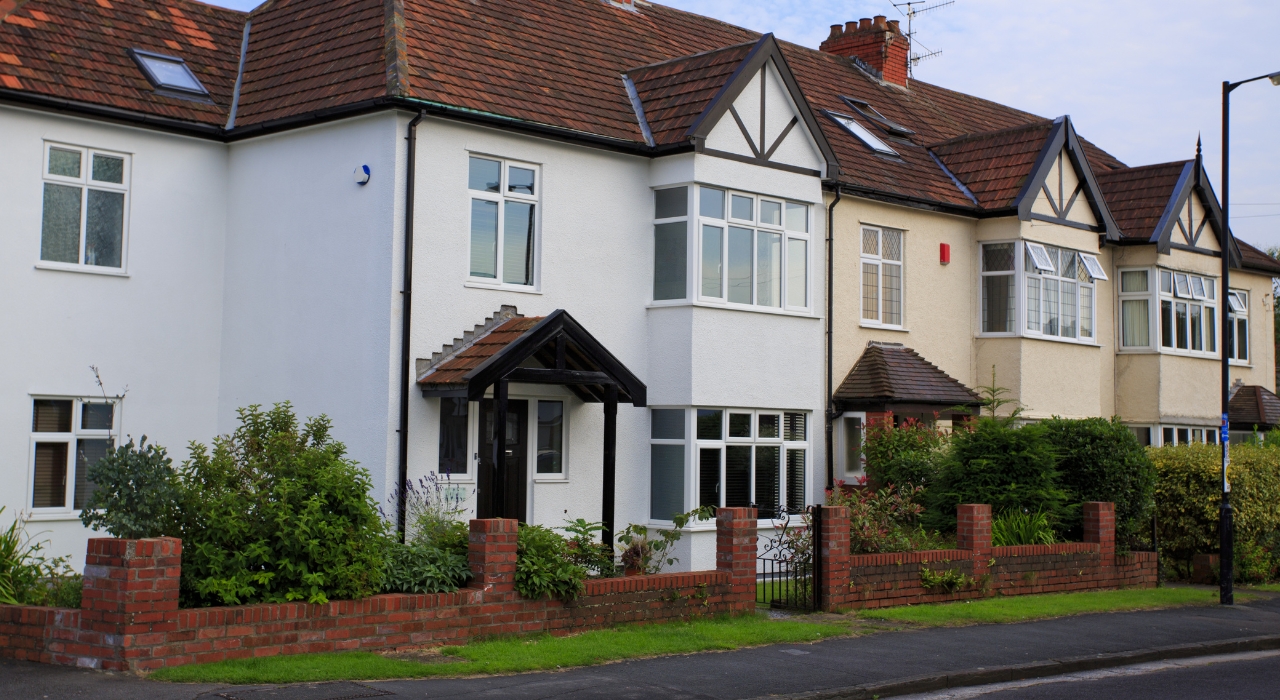
1930s houses are lovely, aren’t they?
You get the character, the solid brickwork, the bay windows, the generous room sizes… and then winter arrives and suddenly the charm feels a little bit draughty.
If you live in a 1930s solid wall house, you might already know the feeling. The heating goes on, the room warms up for a bit, and then the walls seem to pull the heat straight back out again.
That is often because many homes from this period were built with solid walls rather than modern insulated cavity walls. In simple terms, there is no gap in the wall to fill with insulation, so you usually need to look at other ways of improving the thermal performance of the property.
The good news is that there are several options. The slightly annoying news is that there is no single “best” answer for every 1930s house.
It depends on the property, the budget, the condition of the walls, how much disruption you can live with, and whether you are happy for the outside of the house to change.
So, let’s talk through the main options properly.
First, are you sure it is a solid wall house?
Before choosing any insulation, it is worth checking the wall type.
A lot of people assume every older house has solid walls, but some 1930s homes were built with cavities. Others have been altered, rendered, extended or repaired over the years, which can make things less obvious.
A quick clue is the brick pattern. If you can see lots of short brick ends in the wall, it may be solid brick. If the bricks are mostly laid lengthways, it may be a cavity wall.
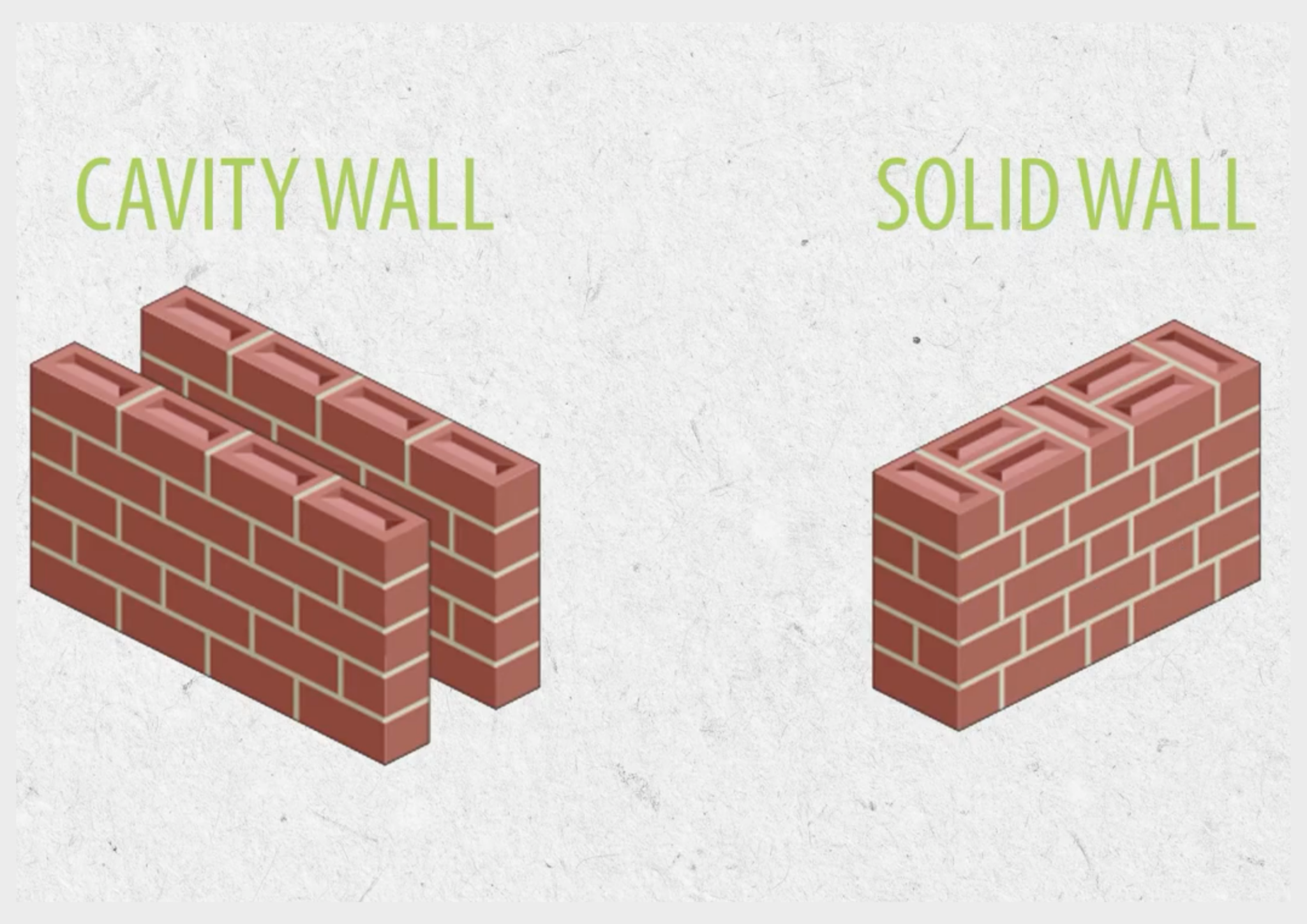
That said, guessing is not ideal. If you are about to spend money on insulation, it is worth getting the wall construction properly checked first. It can save you from choosing the wrong solution.
External wall insulation
External wall insulation is often the option people think of first for solid wall homes.
This involves fixing insulation to the outside of the house and then covering it with a protective finish, often a render system. In effect, you are wrapping the house from the outside.
For a 1930s solid wall property, this can be a really strong option because it tackles heat loss without taking space away from the rooms inside. It can also give the house a completely refreshed appearance, which is great if the existing exterior is tired, cracked, patchy or already rendered.
The big benefit is comfort. By insulating externally, the walls are kept warmer, which can help the inside of the home feel more stable and less cold to sit in. You are not just blasting the air with heat and hoping it stays there. You are improving the fabric of the building.
However, it is not a small job.
You need to think about window sills, pipes, meter boxes, rooflines, boundaries, ventilation and how the finished house will look. It will also change the outside appearance, which some people love and others are more cautious about.
External wall insulation is usually best when you want a whole-house improvement and you are happy to upgrade the exterior at the same time.
Internal wall insulation
Internal wall insulation is fitted to the inside of the external walls.
This might be done using insulated plasterboard, rigid insulation, wood fibre boards or other internal insulation systems. Once installed, the wall is finished internally, usually with plaster or a suitable board finish.
This can be a good option if you do not want to change the outside of the house. For example, maybe you love the original brickwork, live in an area where the front elevation needs to stay as it is, or simply cannot insulate externally because of access or boundary issues.
It can also be done room by room, which makes it feel more manageable for some homeowners.
But there are trade-offs.
Internal insulation takes up space. It also means moving or adjusting things like sockets, radiators, skirting boards, fitted cupboards and kitchens. It can be more disruptive than people expect, especially in rooms that are already finished and decorated.
The other big thing is moisture. When you insulate internally, the original external wall becomes colder because less heat is reaching it from inside. That is not automatically a problem, but it does mean the system needs to be designed properly so you do not create condensation or trapped damp issues.
Internal wall insulation can work very well, but it is not something to bodge or treat like a quick DIY lining job.
Breathable insulation
This is where things can get a little more interesting.
Older solid wall houses often need a bit more thought around moisture. They were not always designed to behave like modern sealed buildings, and some materials need to be able to dry out properly.
That is why breathable insulation systems can be a sensible option in certain 1930s homes.
Breathable does not mean air is whistling through the wall. It means the materials are more vapour-open, allowing moisture to move and dry in a more controlled way.
Examples might include wood fibre insulation, lime-compatible systems or mineral-based insulation approaches, depending on the wall and whether the insulation is being fitted internally or externally.
This can be especially useful if the house has softer brick, lime mortar, previous damp concerns or a more traditional construction style.
Not every 1930s house needs a fully breathable build-up, but it is worth considering if moisture is already part of the story.
The main point is this: insulation should not trap a problem inside the wall. If a wall is damp before you insulate it, you need to understand why first.
Hybrid insulation
Sometimes the best answer is not one option across the whole house.
A hybrid approach means using different types of insulation in different areas.
For example, you might insulate the back and side of the house externally, but use internal insulation at the front to keep the original brick façade. Or you might deal with the coldest rooms first and plan the rest of the house in stages.
This can work well for 1930s homes because they often have a mixture of visible front elevations, extensions, rendered sections and awkward details.
But hybrid insulation needs careful planning.
Where insulated and uninsulated areas meet, you can get thermal bridges. These are cold spots where heat escapes more easily. If those junctions are not detailed properly, you can end up with condensation or mould in places you did not expect.
So yes, hybrid insulation can be a good compromise. It just needs to be designed as a whole-house plan, not a random room-by-room patchwork.
Do not forget the easier wins
Before jumping straight into wall insulation, it is worth looking at the rest of the house.
A 1930s property may also be losing heat through the loft, suspended timber floors, old doors, gaps around skirting boards, open chimneys and poorly sealed windows.
If your loft insulation is thin, that is usually one of the easiest places to start. Draught-proofing can also make a noticeable difference, especially in older homes with floorboards, fireplaces and original joinery.
This does not mean wall insulation is unnecessary. Solid walls can still be a major source of heat loss.
But if you are planning your budget, it makes sense to deal with the obvious heat-loss areas too, rather than expecting wall insulation to solve everything on its own.
So, which option is best?
For many 1930s solid wall houses, external wall insulation is often the most complete option. It improves the building from the outside, keeps internal space intact and can transform the appearance of the property.
But that does not mean it is always the right choice.
If you want to keep the outside exactly as it is, internal wall insulation may be more suitable.
If the property has moisture concerns, breathable insulation may need to be part of the conversation.
If only some elevations can be treated externally, a hybrid approach might make the most sense.
And if the house has poor loft insulation, draughts or cold floors, those should not be ignored either.
The best insulation option for a 1930s solid wall house is not just the one with the thickest board or the best-looking brochure.
It is the one that suits the actual house.
That means looking at how the walls are built, how exposed the property is, whether there are damp issues, what you want the house to look like, and how much disruption you can realistically deal with.
A well-insulated 1930s house can feel completely different to live in. Warmer rooms, fewer cold surfaces, better comfort and less heat disappearing through the walls.
But the key is choosing the right approach before the work begins.