Having spent the best part of twenty years in the energy sector – starting out in energy consulting at IBM, moving across to The GreenAge, and now at EWI Store – I’ve watched a long parade of ‘game-changing’ technologies march through the industry. Some have earned the title. Most haven’t. Right now, the loudest of them all is the heat pump, and I want to say something that won’t make me popular in certain rooms: I can put my hand on my heart and tell you that heat pumps are not the game-changing technology the government would like to think they are.
That isn’t a swipe at the engineering. A heat pump is a genuinely clever, efficient bit of kit. But efficiency on a datasheet and savings on a bill are two very different things, and the gap between them is where a lot of households are about to get caught out.
Heatpumps are a good technology, but badly oversold
Let’s start with the most common scenario in British homes: you have a gas boiler that works, produces plenty of hot water, and isn’t especially old. In that situation, there is very little point ripping it out and putting a heat pump in. None of the economics stack up, and you’d be replacing a perfectly functional heating system with a different heating system that, in many cases, costs more to run.
The ‘costs more to run’ part is where people get caught out, because they’ve been told heat pumps are cheaper. Here’s the reality. A heat pump is around three to four times more efficient than a gas boiler – it moves heat rather than burning fuel to create it. The problem is that electricity in the UK has been running at roughly three to four times the unit price of gas. Do the maths and you’ll see why the savings evaporate: if your electricity costs four times as much per unit as gas, and your heat pump is four times as efficient, you’ve essentially broken even before you’ve accounted for anything else. The gap has narrowed slightly at the most recent price cap, as gas prices jumped, but the fundamental point holds – the headline efficiency of a heat pump is largely cancelled out by the price you pay for the electricity to run it.
Then there’s temperature. A heat pump typically delivers hot water and heating at a lower flow temperature than a traditional gas boiler. In a modern, well-insulated property paired with large radiators or underfloor heating, that’s fine. But in an older home that hasn’t been upgraded, the heating water simply runs cooler than people are used to, the system has to work harder to keep up, and electricity consumption climbs. The upshot is that in plenty of older properties, energy bills can actually go up after a heat pump installation. In a new, airtight, well-insulated home you might see some saving – but even then it’s marginal, if it materialises at all.
None of this makes heat pumps bad. It makes them a poor first move for a huge slice of the UK’s housing stock. And it means we’re at risk of selling a ‘bill-cutting’ solution that, for many families, does nothing of the sort.
Fabric first: the unglamorous fundamental
If you actually want to make homes warmer, cheaper and more comfortable to live in, you have to start with the building itself. This is the fabric-first approach, and it’s pivotal – not fashionable, not headline-grabbing, but the thing that genuinely works.
To understand why, you only need to understand what insulation does. In essence, an insulating barrier slows the movement of heat from one side of it to the other. That’s it. But that simple property changes everything about how a home performs across the year.
In the winter, when your boiler is warming the air inside the house, the presence of insulation slows the escape of that heat to the colder outside environment. Your home stays warmer for longer, which means your boiler has to fire up less often and work less hard to hold a comfortable temperature. Less work means less fuel, and less fuel means a lower bill – every single day, automatically, with no behaviour change required from you.
In the summer, the exact same physics works in reverse. As I write this we’re sitting in record-breaking temperatures, and a well-insulated home slows the movement of that external heat into the building, keeping rooms cooler and more comfortable without the air conditioning. The barrier doesn’t care which direction the heat is travelling – it just slows it down. That’s a year-round benefit from a single intervention, and it’s why fabric improvements outperform almost anything else you can do to a home.
It doesn’t take much insulation to feel the difference!
Here’s the part people don’t expect: it doesn’t take an enormous amount of insulation to see real benefits. You don’t need to wrap your house in a foot of foam to change how it feels and how much it costs to heat.
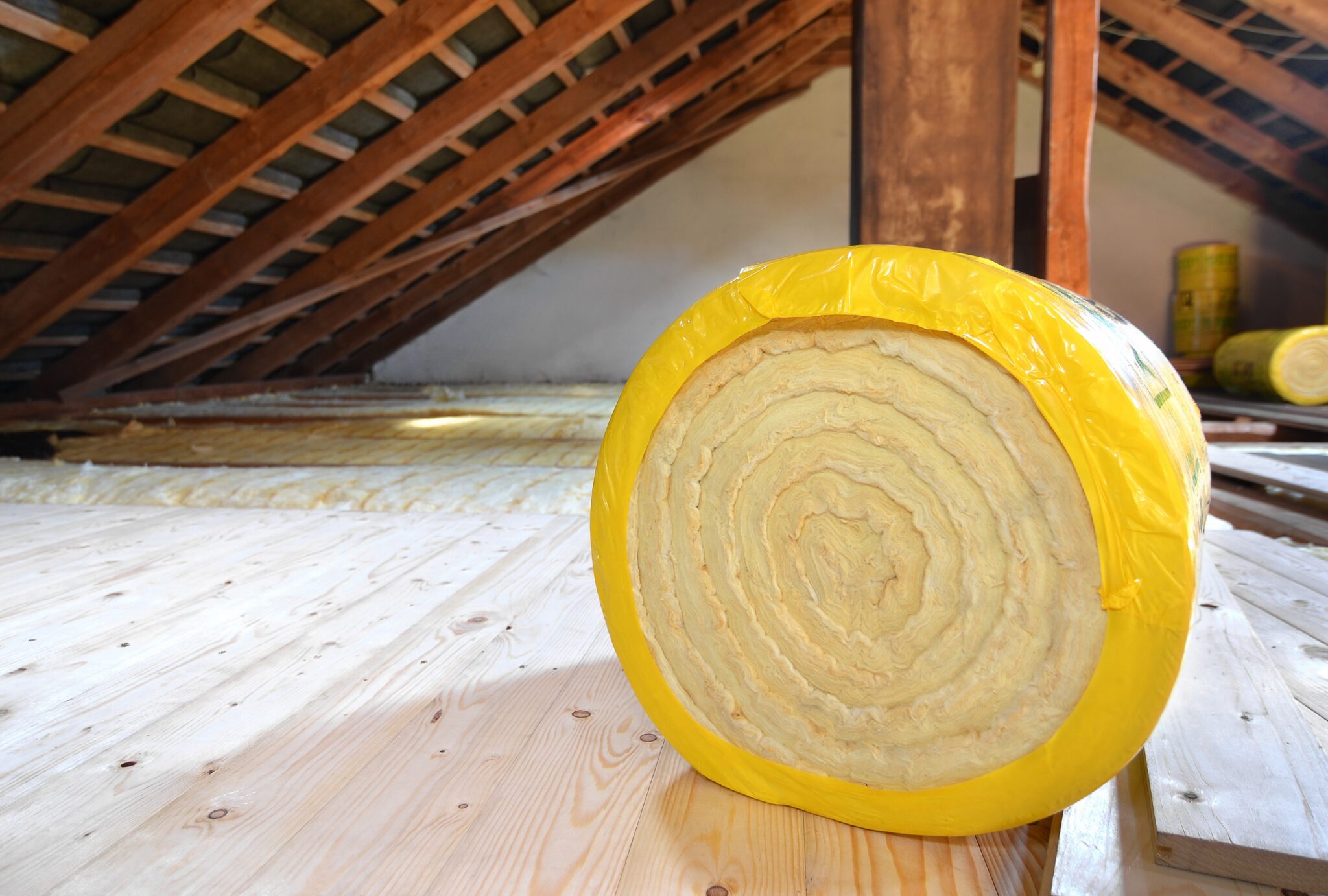
Now, full disclosure – I work with an external wall insulation company, so you’d expect me to bang the drum for it. But this honestly isn’t about one product. Cavity wall insulation, loft insulation and external wall insulation all do fundamentally the same job: they slow heat moving through the fabric of your home. Loft insulation in particular is some of the cheapest, fastest-paying work you can do, because so much heat is lost through the roof. The point isn’t which measure you choose. The point is that improving the fabric of the building tackles the actual problem – heat loss – rather than just changing the appliance that replaces the heat you keep losing.
The Warm Homes Plan, and a missed opportunity
This brings me to policy. The government’s Warm Homes Plan, published at the start of 2026, is a £15 billion programme – described as the biggest public investment in home upgrades in British history – and it leans heavily on heat pumps and solar panels. There’s a £7,500 grant for heat pumps, loans for solar and batteries, and a stated ambition to upgrade five million homes by 2030. The intent is good. The direction of travel concerns me.
What’s striking is that the plan explicitly shifts the emphasis away from a fabric-first approach that starts with insulation, and towards electric technologies as the primary route to lower bills. That, to me, is the wrong order of operations. You’re being encouraged to bolt clean technology onto homes that are still leaking heat through their walls and roofs – which is a bit like putting a more efficient engine in a car with four flat tyres.
And there’s no better moment to reassess than right now. With Keir Starmer having resigned this week, and Andy Burnham the clear favourite to take over as Prime Minister, an incoming administration has a real opportunity to look again at where this money goes – and the cost of energy was very much part of the discontent that forced the change at the top. If even a meaningful fraction of that £15 billion were redeployed into driving fabric-first measures through the UK’s housing stock, you’d lower bills permanently and across the board – and you’d do it for a lower cost per home than a heat pump installation. Insulate first, and then a heat pump becomes a far better proposition, because the lower flow temperatures it produces are suddenly enough to keep a well-sealed home warm.
Fabric first doesn’t compete with heat pumps; it makes them work.
Lifting people out of fuel poverty
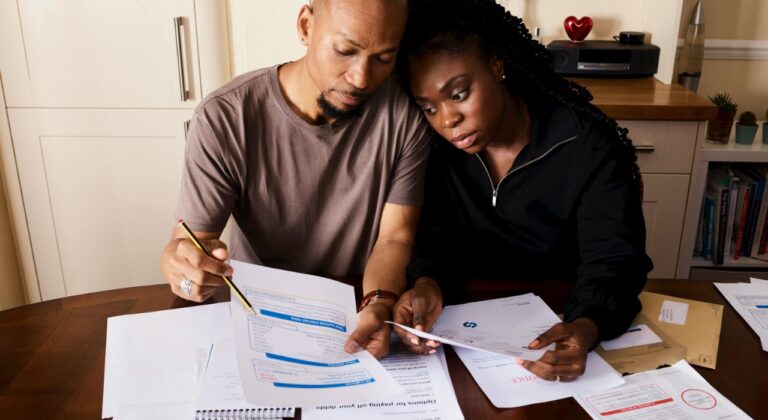
Ultimately this is about fuel poverty, and here the logic is simple. To really bring people out of energy poverty, you have to lower their bills. You don’t do that by swapping one heating system for another that may or may not cost more to run. You do it by making the home itself less leaky.
If we make homes genuinely better at holding onto heat, people see real, lasting energy savings – not marginal, conditional, depends-on-the-price-cap savings, but money off the bill every year regardless of what’s happening to wholesale energy markets. And the benefits don’t stop at cost. A warmer, better-insulated home is a more pleasant place to live: fewer cold spots, less condensation, and far less of the damp and mould that blights so much of our older housing stock and does real harm to people’s health.
Heat pumps will have their place, particularly in new and well-insulated homes, and the engineering will keep improving. But they are not the silver bullet, and treating them as one risks spending enormous sums of public money without moving the needle on the thing that matters most – the bill landing on the doormat.
Get the fabric right first. Everything else gets easier, cheaper and more comfortable from there.