
The Current National Grid

History of the Grid Britain had the beginnings of its national grid system in 1937, when a group of engineers connected a series of smaller electrical regional grids, in an effort to increase supply security and reduce overall electrical cost.…
The Smart Grid

The smart grid How can we use energy more effectively on a national scale? By creating a ‘smart grid’. A smart grid relies on data – not only about how much electricity is being produced, but also about demand at a…
Consumers and the Smart Grid
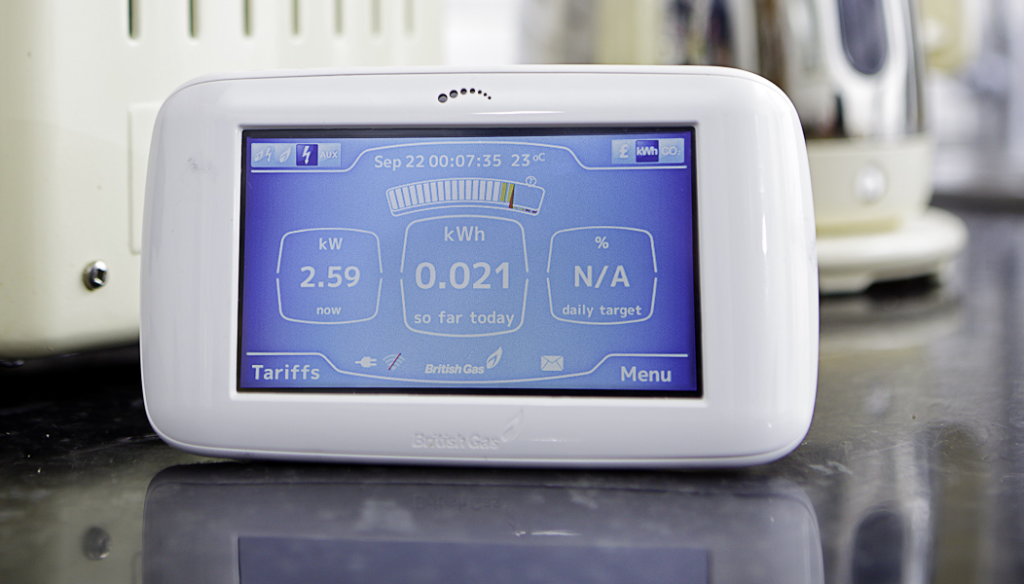
The advantages and disadvantages of the smart grid system Rolling out the smart grid should help keep the lights on in Britain, reducing the threat of blackouts while hopefully providing value for money for the consumers. Aside from helping the…
Carbon Storage
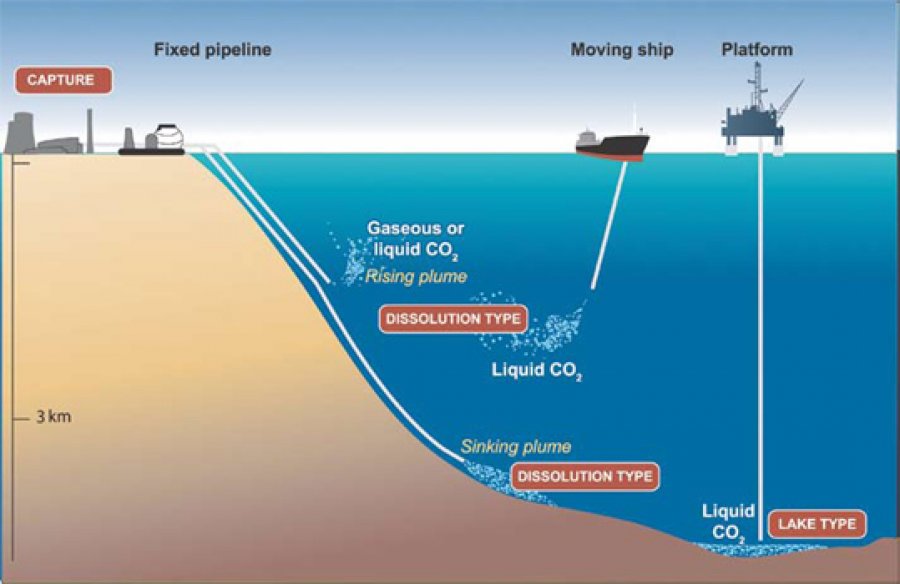
Carbon storage relates to storing carbon dioxide in man made or naturally occurring structures such as old oil wells, or deep into the sea.
Carbon Dioxide Scrubbers
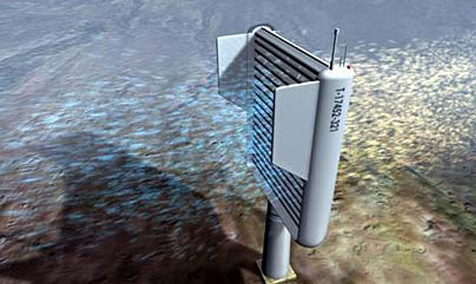
These scrubbers capture carbon dioxide from the air, which would be particularly useful where the gas was produced in particularly high volumes.
Biochar

Biochar is produced by burning Biomass without oxygen. This creates a very stable substance, that locks in CO2 and can be used to fertilise soil.
Bio CCS Algal Synthesis
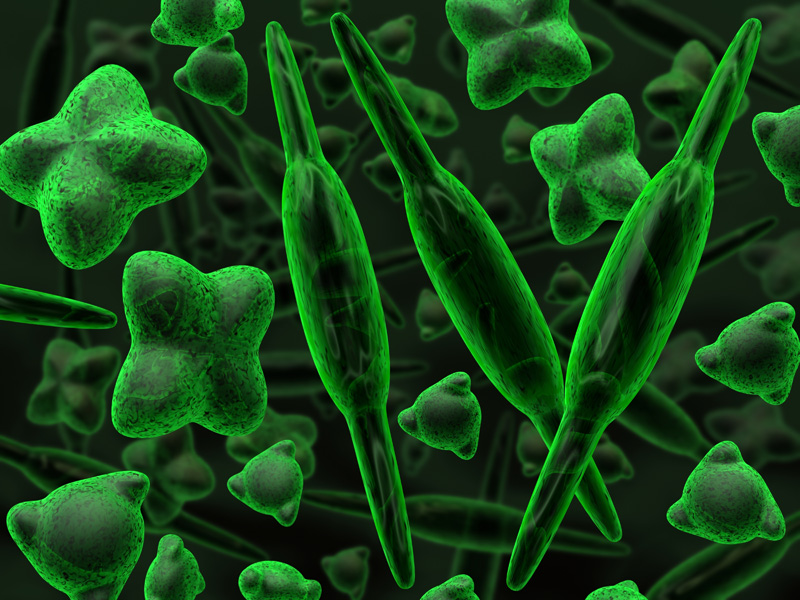
Bio CCS Algal Synthesis attempts to capture carbon dioxide using micro algae, and instead of storing it, it aims to transform it into useful products.
Artificial Photosynthesis

Artificial Photosynthesis is a way of mimicking the natural process that plants use to create energy from sunlight, CO2 and water.
Liquid Air Storage
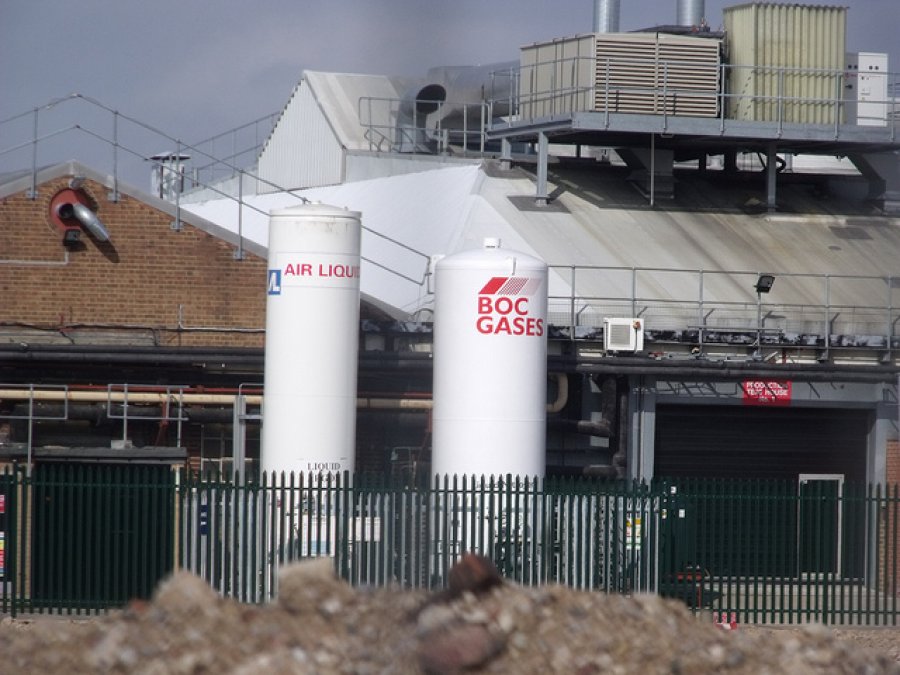
Liquid air storage converts excess electricity into liquid air, which can then be released to make electricity.
Chemical Storage
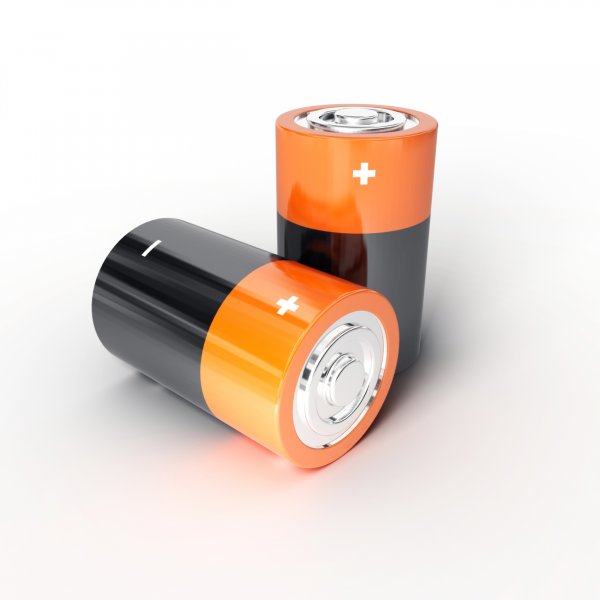
Large batteries can act as chemical energy storage for industry and could make future energy generation solutions more efficient and profitable.