Photovoltaic. Solar Photovoltaic.
It might not sound particularly exciting, but it has quickly become one of the most effective tools for UK homeowners looking to cut energy bills and reduce carbon emissions.
In 2026, solar photovoltaic (PV) systems have firmly moved into the mainstream. Falling installation costs, rising electricity prices and stronger government incentives have made rooftop solar an increasingly attractive option for households across the UK.
For a typical home using around 2,700–3,500 kWh of electricity per year, solar panels can significantly reduce electricity bills while contributing to national net-zero goals.
In this guide, we break down the key factors homeowners should consider before installing solar PV, including installation costs, financial payback periods, available incentives and whether solar panels can damage your roof.
Solar Panel Installation Costs
With electricity prices still averaging around 28p per kWh in 2026, many UK households are looking for ways to regain control of their energy costs. Solar PV offers a practical way to generate electricity directly from your roof while reducing reliance on the grid.
The cost of solar PV in the UK has continued to decline, making it more accessible than ever.
As of March 2026, 4kW system (typical 3-bed home): £5,500 – £8,000, 3kW system (smaller homes): £5,000 – £6,500 and 5–6kW system (larger homes): £7,500 – £9,500.
These figures include panels, inverter, mounting equipment and labour, but exclude battery storage.
Factors That Affect Solar Panel Installation Costs
Solar systems vary widely depending on the home and the equipment chosen. Several factors influence the final installation cost.
System size and panel efficiency
Higher-efficiency monocrystalline panels (400W+) cost more initially but generate more power from limited roof space.
Roof type
Pitched roofs are generally easier and cheaper to install panels on, while flat roofs may require additional mounting systems.
Battery storage
Adding a solar battery (3–5kWh) increases costs by £2,000–£6,000 but allows homeowners to store excess electricity for evening use.
Location and installer
Demand in southern England tends to push prices slightly higher, but using an MCS-certified installer ensures quality installation and eligibility for government incentives.
Solar Panel Costs by Home Size
Size matters…at least when it comes to solar systems.
|
Home Size |
System Size |
Panels Needed |
Cost (No Battery) |
Cost (With Battery) |
|
2-Bed / Small |
3kW |
8–10 |
£5,000–£6,500 |
£9,000–£12,500 |
|
3-Bed / Typical |
4–5kW |
10–14 |
£6,500–£8,000 |
£10,500–£14,000 |
|
4-Bed / Large |
5–6kW |
14–16 |
£7,500–£9,500 |
£11,500–£17,500 |
These prices include the 0% VAT currently applied to solar installations in the UK.
UK Solar Panel Grants, Incentives and Funding
Several government schemes are currently helping households reduce the upfront cost of solar installation.
0% VAT on solar installations
Energy-saving technologies including solar panels currently benefit from 0% VAT until March 2027, saving homeowners around £1,000–£1,500 on an average system.
Smart Export Guarantee (SEG)
The SEG scheme pays homeowners for exporting excess solar electricity to the grid. Payments typically range between 4p and 15p per kWh depending on the energy supplier.
ECO4 scheme
Running until December 2026, ECO4 can provide fully funded or heavily subsidised solar installations for lower-income households with EPC ratings between D and G.
Warm Homes Plan
The UK government’s £15 billion Warm Homes Plan offers grants of up to £15,000 for energy efficiency upgrades, including solar panels and battery storage.
Solar Panel Payback Time and Long-Term Savings
Although solar panels require an upfront investment, they can deliver significant long-term savings.
A typical 4kW system generating 3,200–4,000 kWh per year can save homeowners:
- £500–£700 annually on electricity bills
- £200–£400 per year from Smart Export Guarantee payments
This results in an average payback period of 7–10 years, after which the electricity generated is effectively free.
With solar panels lasting 25 years or more, total savings over their lifetime can exceed £15,000–£20,000.
Do Solar Panels Damage Your Roof?
Rain shall not pass… when solar panels are installed properly.
One of the most common concerns among homeowners is whether solar panels can damage their roof.
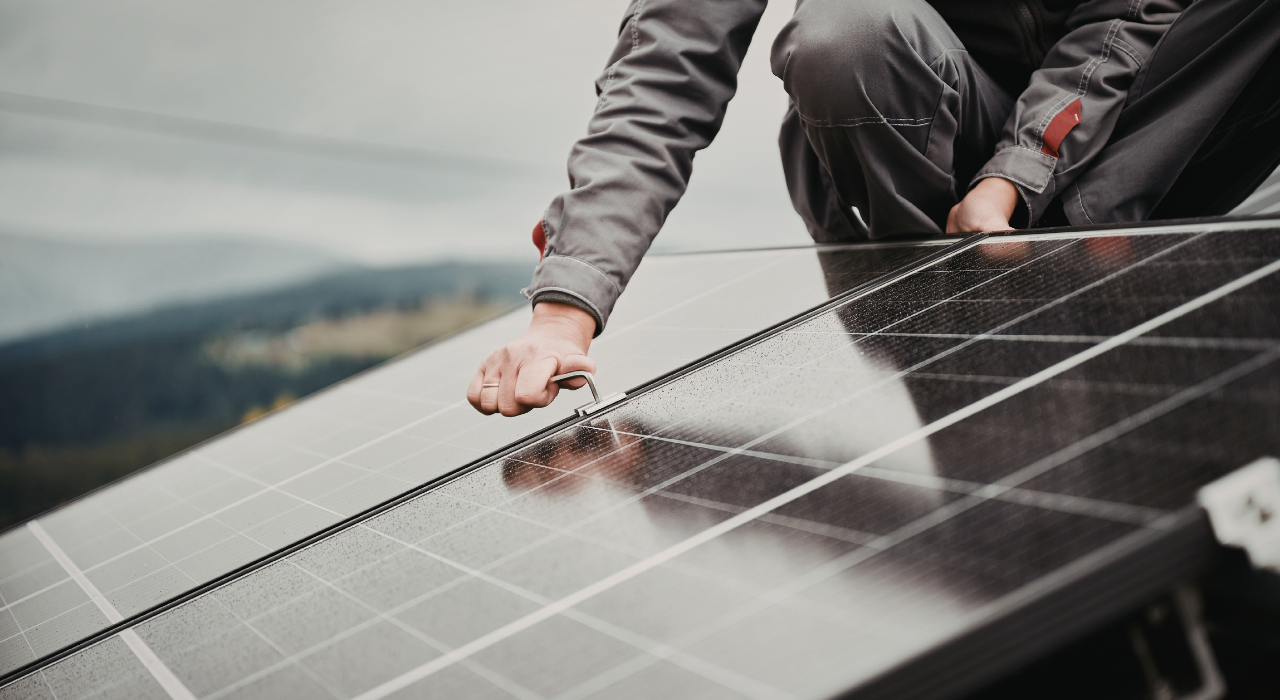
In reality, when installed correctly by professionals, solar panels do not harm your roof structure. Mounting systems are designed to seal around roof tiles to prevent leaks and ensure weatherproof installation.
In many cases, panels can even protect the roof underneath from rain, UV exposure and general weathering.
However, it is important to check the condition of your roof before installation. If a roof is more than 15–20 years old or already damaged, repairs may be recommended before installing solar panels.
Is Solar PV Worth It in the UK in 2026?
With installation costs lower than ever, strong government incentives available, and typical payback periods under a decade, solar PV has become one of the most practical energy upgrades available to UK homeowners.
For households looking to reduce electricity costs while contributing to a cleaner energy future, solar panels offer a compelling long-term investment.