
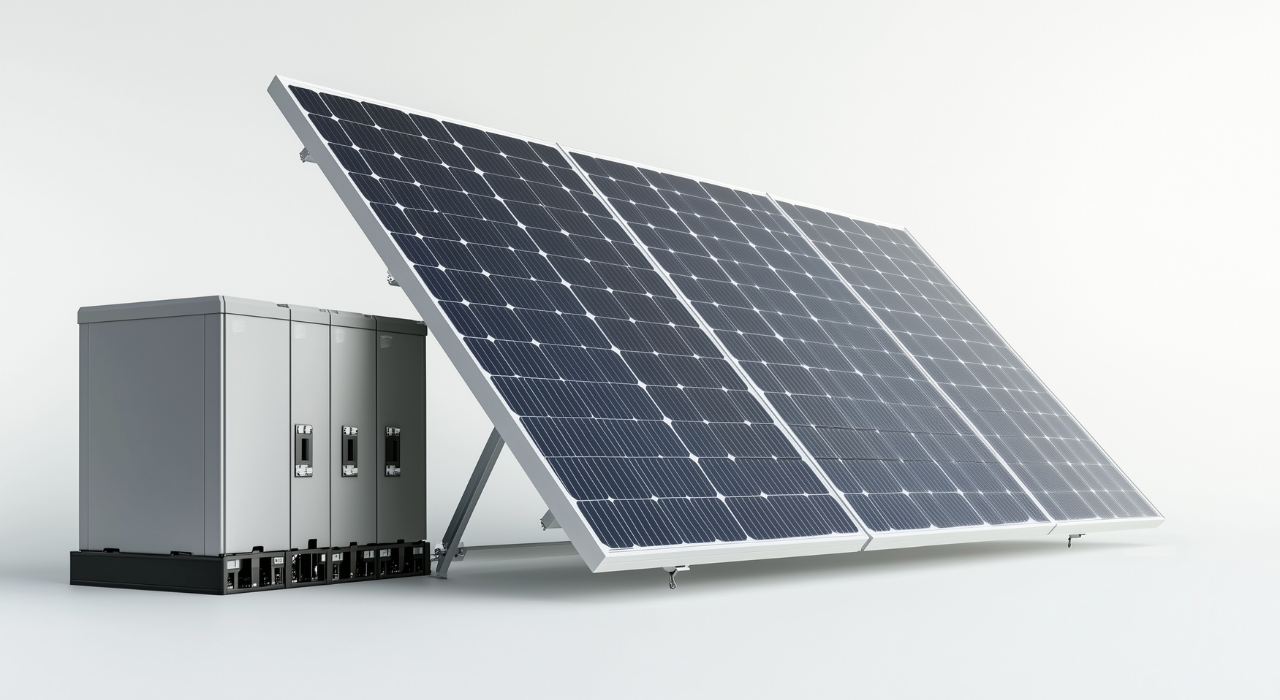
If you already have solar panels on your home, or you are thinking about getting them installed in the UK in 2026, there is a good chance you have also come across the idea of adding a solar battery.
And the question most people end up asking is actually pretty simple, are solar batteries worth it in the UK, or are they just an expensive add-on that does not really change much?
What a solar battery actually does
A solar battery is basically just a way of storing the electricity your solar panels generate during the day, instead of sending everything straight back to the grid.
So rather than using your solar power only when the sun is out, you can store the excess and use it later on in the evening when you actually need it most.
In practice, it just shifts your energy use from “when it’s generated” to “when it’s useful”, which is really what makes the whole idea interesting.
So are solar batteries actually worth it?
This is where it gets a bit more nuanced, because in the UK in 2026, solar batteries are not something every home automatically benefits from.
For some people they make a lot of sense, but for others they do not really change the financial picture in a meaningful way.
They tend to make sense if your home uses a lot of electricity in the evenings, or if you are on a tariff where electricity prices change depending on the time of day. They can also work well if you are trying to get as much independence from the grid as possible, or if you already have a fairly high energy usage, such as charging an electric vehicle at home.
On the other hand, if your energy use is fairly low or most of your usage already lines up with when your panels are generating electricity, then a battery does not always add much value. In those cases, you are often better off just letting the excess go back to the grid and keeping the system simple.
The cost side of things
When people hesitate, it is usually because of cost, and that is fair enough.
In the UK, a solar battery typically costs a few thousand pounds depending on the size of the system and the brand you go for. Smaller setups sit lower, while larger systems can go well beyond that if you want to store more energy.
It is worth remembering though that this is not just an upfront cost decision. It is more about how much of your solar energy you actually get to use yourself over time, rather than exporting it and buying electricity back later at a higher rate.
It’s also worth saying that the upfront cost isn’t always fixed in the way people assume.
In some parts of the UK, there are now local council-backed schemes that group homeowners together to reduce the cost of installing solar panels and battery storage. These programmes essentially use bulk purchasing power to bring prices down through approved installers, rather than everyone paying full individual rates.
In some cases, battery storage is even offered as part of a wider solar installation package rather than something you have to fully price separately.
Schemes like this are still limited and vary by region, but they are a sign that solar batteries are slowly becoming more accessible rather than just a premium add-on.
Do they actually save you money?
This is where expectations need to be realistic.
A solar battery does not magically double your savings from solar panels. What it really does is increase how much of your own electricity you use directly instead of relying on the grid.
That usually means some savings each year, but not always enough to make the payback period shorter than solar panels alone.
So the financial benefit is there, but it is more gradual and dependent on how your household actually uses electricity day to day.
Solar panels with and without a battery
If you compare the two setups side by side, solar panels on their own usually give you the strongest return on investment in the shortest time.
Adding a battery increases how much energy you can use yourself, but it also increases your upfront cost, which slows down the payback period.
So it is less about one being better than the other, and more about what you are trying to achieve. Faster savings usually points towards panels alone. More energy independence points towards adding a battery.
When a solar battery makes sense
It can also make more sense if you are already investing in a full home energy setup, where solar is part of a wider plan that includes efficiency improvements and long-term cost reduction.
In those cases, the battery becomes part of a system rather than a standalone upgrade.
When it probably does not
If your main goal is simply to reduce bills as quickly as possible, or if your electricity usage is relatively modest, then a battery often does not deliver enough extra value to justify the cost.
In those situations, solar panels alone tend to be the more practical choice.
So what is the real answer?
For most UK homes in 2026, solar panels are the key investment. They are what drive the main savings.
A solar battery is more of a situational upgrade. It can improve how efficiently you use the energy you generate, but it is not essential for solar to make financial sense.
The real deciding factor is not whether solar batteries are good in general, but whether they match how your home actually uses electricity.
The best way to think about solar batteries is not as a requirement, but as an optional layer on top of an already working system.
For some homes, that extra layer makes a noticeable difference. For others, it adds complexity without enough benefit to justify the cost.
Understanding which situation you are in is really what makes the decision clear.





It’s clear and realistic about how solar batteries actually behave in practice. A lot of people assume batteries are always the best upgrade, but as the article highlights, the real benefit depends heavily on your usage pattern, tariff, and how much solar you’re actually exporting vs self-consuming.
In many UK homes, solar panels alone already cover most of the easy savings, and batteries are more of an optimisation rather than a necessity. The key is matching the system to your actual energy habits rather than going for a one-size-fits-all setup.
Thanks for your comment, that’s a really good point. Solar batteries can be useful, but they’re not always essential. As you said, the real value depends on how much energy a household uses, exports and stores, as well as the tariff they’re on. It’s definitely not a one-size-fits-all decision.