When your energy bill feels high, it’s easy to blame everything.
The lights. The TV. The kettle. The phone chargers. That one plug socket you’re convinced is somehow draining half the National Grid.
But the truth is usually much simpler.
Most of the energy used in a home comes from a few major areas. Not the little things we notice every day, but the bigger systems quietly working in the background.
Once you understand where your energy is really going, it becomes much easier to see where the meaningful savings might come from.
Heating is still the biggest one
Let’s not overcomplicate it.
For most UK homes, heating is the main energy user. Energy Saving Trust says many homes spend over half of their energy bills on heating and hot water, while Nesta notes that heating and hot water account for the majority of domestic energy use.
That means when your heating is on, that is usually the main event. Everything else is relatively small in comparison.
This is why turning the thermostat up by even 1°C can have a noticeable impact. It does not sound like much, but that extra heat has to be produced across the whole home, often for several hours at a time.
And if your home loses heat quickly, the impact is even bigger.
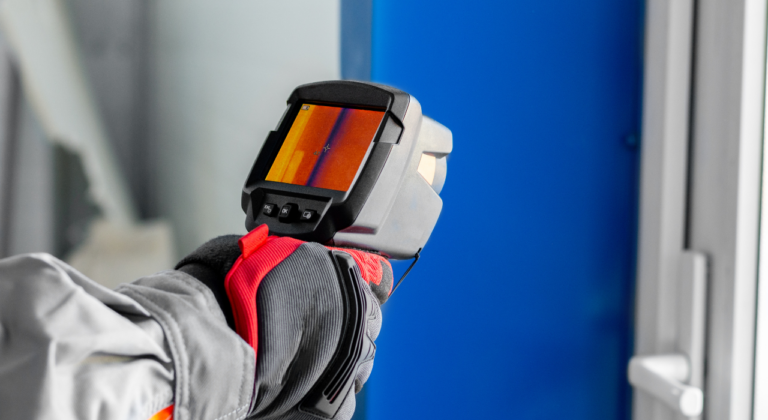
Poor insulation, draughty gaps, older windows and uninsulated walls all mean the same thing: your heating system has to keep working to replace the heat that is escaping.
You are not just heating your home once.
You are constantly reheating it.
Hot water adds more than people think
After space heating, hot water is one of the biggest contributors to household energy use.
Showers, baths, washing up and stored hot water all add up. The average hot water energy consumption in UK homes is around 4kWh per day, based on typical occupancy and hot water use, though this can vary significantly from home to home.
The tricky thing with hot water is that it often feels invisible.
People tend to notice when the heating is on. They notice the radiators getting warm. They notice the thermostat. They know it is costing money.
Hot water is different.
A longer shower here, an immersion heater left on there, a hot tap running while washing up, none of it feels dramatic at the moment. But over days, weeks and months, it can make a real difference.
This is also why some homes still have high energy use outside the coldest months. Even when the heating is off, hot water demand continues.
Appliances are small on their own, but not as a group
This is where things get a bit deceptive.
A single appliance might not seem like a big deal. One wash. One dishwasher cycle. One oven use. One tumble dryer load.
But when you add everything together, appliances become a meaningful part of your energy use.
The fridge and freezer are running all the time. The washing machine, dishwasher and tumble dryer may be used several times a week. The oven, microwave, kettle and small appliances all add their bit too.
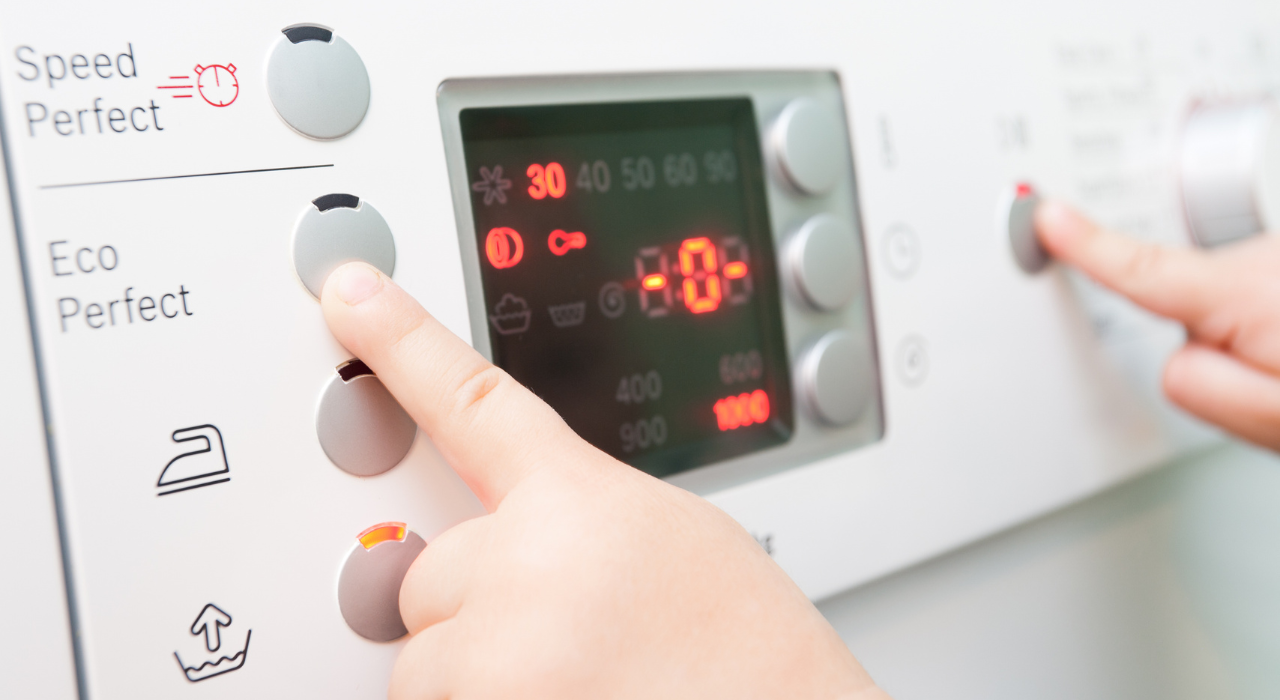
Wet appliances are especially worth paying attention to. Washing machines, dishwashers and tumble dryers account for around 14% of a typical energy bill, with tumble dryers often using a lot because they need energy to heat air and remove moisture from clothes.
The key factor is frequency.
A tumble dryer used once in a while is one thing. A tumble dryer used constantly through winter is another.
Older appliances can also quietly increase usage because they are often less efficient than modern models. You might not notice it on a day-to-day basis, but the extra energy use builds up over time.
The things people blame, but probably shouldn’t
This is the part that surprises people.
Lights, phone chargers and TVs on standby tend to get a lot of attention. And yes, switching things off and using LED bulbs is still sensible.
But these are usually not the main reason your bill is high.
They are the easy things to see, so they become the things we blame.
A light left on feels wasteful because it is obvious. A charger left plugged in feels annoying because it is right there. A TV on standby feels like something you should probably sort out.
But compared with heating a whole home, heating water or running high-energy appliances, these smaller items are usually a tiny part of the overall picture.
That does not mean you should ignore them.
It just means they are not where the biggest gains usually are.
Focusing only on standby lights while ignoring heat loss is a bit like worrying about crumbs while the back door is wide open.
So what should you actually focus on?
If you zoom out, most household energy use comes down to three things:
Keeping your home warm.
This is usually the biggest one, especially in winter. Anything that helps your home hold heat for longer can reduce how hard your heating system needs to work.
Heating water.
Shorter showers, better controls, efficient hot water settings and avoiding unnecessary immersion heater use can all help.
Running high-energy appliances regularly.
Tumble dryers, washing machines, dishwashers and ovens are worth paying attention to because repeated use adds up.
The biggest wins usually come from dealing with the main causes, not obsessing over every tiny plug.
That might mean improving insulation, using heating controls more carefully, reducing draughts, making hot water use more efficient or changing how often you rely on energy-heavy appliances.
Why this matters
Energy prices move up and down, but the way homes use energy does not change that dramatically.
Heating will still dominate.
Hot water will still tick along in the background.
Appliances will still add up.
So understanding where your energy is going gives you a much better starting point.
It helps you stop wasting effort on the things that only make a small difference, and start focusing on the parts of your home that genuinely affect your bill.
Because the goal is not to live in the dark, never watch TV and unplug your phone charger every time you leave the room.
The goal is to understand what is actually using energy in your home, then make sensible changes that reduce waste, improve comfort and help bring your bills under better control.