With energy costs still high and pressure mounting to improve the efficiency of UK homes, many homeowners are asking the same question: what help is actually available?
Government-backed energy schemes are designed to make homes warmer, cheaper to run and lower carbon. Unfortunately, they’re often misunderstood and easy to dismiss as “not for people like me”.
The reality is that support does exist but it’s targeted, conditional and best understood before you start planning any home improvements.
This guide breaks down the main types of home energy grants currently available in the UK, who they’re aimed at and how they fit into wider home upgrade plans.
Why home energy grants exist
UK homes are among the least energy efficient in Europe. Millions still rely on poorly insulated walls, roofs and floors, leading to higher bills, colder homes and avoidable emissions.
Rather than funding upgrades directly for everyone, most schemes are designed to support households that are most affected by high energy costs, improve housing stock at scale and reduce long-term pressure on the energy system.
That means eligibility matters and not every household will qualify for every scheme.
The main types of home energy grants
While individual schemes change over time, most fall into a few broad categories.
1. Grants focused on insulation and heat loss
Insulation remains the priority for most government support because it delivers long-term savings and improves comfort regardless of heating type.
These grants typically support loft insulation, cavity wall insulation and solid wall insulation.
Eligibility is usually linked to household income, benefits, or property efficiency rather than personal preference. In many cases, insulation upgrades are fully or partially funded because of the long-term impact they have.
2. Schemes tied to energy efficiency ratings
Some grants are designed to improve a home’s overall energy performance, often measured through an EPC (Energy Performance Certificate).
Homes with lower EPC ratings are more likely to qualify, particularly where upgrades could deliver a meaningful improvement. This approach helps target funding where it will make the biggest difference.
3. Local authority–led funding
Not all home energy grants are delivered nationally. Increasingly, funding is being devolved to a local and regional level, following changes set out under England’s devolution arrangements. This means that in many areas, decisions about energy efficiency funding are now made at a mayoral or combined authority level rather than centrally.
Combined authorities such as the West Midlands Combined Authority and the Greater Manchester Combined Authority now oversee and fund their own energy efficiency and retrofit programmes. These schemes are designed to reflect local housing stock, fuel poverty levels and regional priorities and may sit alongside or complement national funding streams.
Due to this devolved approach, the type of support available, eligibility criteria and application process can vary significantly depending on where you live. Some schemes focus on insulation upgrades, others on low-carbon heating or whole-home retrofit, with delivery often managed through local councils, housing providers or approved partners.
As a result, local research is increasingly important. Homeowners may find that support is available in their area even if it is not part of a widely advertised national scheme.
4. Support linked to low-income or vulnerable households
A significant portion of funding is aimed at households most affected by fuel poverty or rising energy costs.
This includes people on lower incomes, households experiencing fuel poverty and those living in homes that are particularly expensive to heat. Rather than offering universal support, energy grants are designed to prioritise improvements where they can have the greatest impact on comfort, affordability and long-term energy performance.
This approach is reflected in wider government policy, which focuses on improving the energy efficiency of the least efficient homes while reducing the risk of fuel poverty for those most affected by rising bills.
Much of this targeted support now sits within the government’s Warm Homes Plan, which brings together a number of funding programmes aimed at upgrading homes across different parts of the housing sector.
The Warm Homes Plan
The Warm Homes Plan is the government’s long-term approach to improving the energy efficiency of homes across England, with a particular focus on households most affected by high energy bills and fuel poverty. Rather than a single grant, the plan brings together multiple funding streams designed to upgrade poorly performing homes, reduce heat loss and improve comfort over the long term.
Funding is targeted at low-income households and social housing, with delivery largely managed through local authorities and housing providers.
Warm Homes: Social Housing Fund (WH:SHF)
The Warm Homes: Social Housing Fund is aimed specifically at improving the energy performance of social housing stock. It provides funding to social landlords to carry out upgrades such as insulation improvements, ventilation measures and low-carbon heating, helping to raise homes to higher EPC standards.
This funding is not accessed directly by individual tenants. Instead, it is delivered through housing associations and local authority landlords, with the goal of improving homes at scale while reducing fuel poverty and long-term energy costs for residents.
Warm Homes: Local Grant (WH:LG)
The Warm Homes: Local Grant is designed to support low-income households living in privately owned or privately rented homes that are expensive to heat and energy inefficient. Funding is allocated to local authorities, who then identify eligible households within their area and deliver improvements such as insulation and other energy-saving measures.
Unlike the Social Housing Fund, the Local Grant focuses on owner-occupiers and private renters who meet certain income and property criteria. The exact measures offered and eligibility rules can vary by area, depending on local priorities and funding availability.
How the two schemes differ
While both schemes sit under the wider Warm Homes Plan, they serve different parts of the housing sector. The Social Housing Fund targets homes owned by social landlords, delivering upgrades at scale across housing stock. The Local Grant, on the other hand, focuses on individual low-income households outside the social housing sector, with support delivered locally through councils.
Together, they reflect the broader aim of the Warm Homes Plan: to improve the worst-performing homes first, using targeted funding where it can have the greatest impact.
What grants don’t usually cover
One of the biggest sources of frustration around home energy grants is misunderstanding what they are not designed to do. In most cases, grants do not fund cosmetic improvements, give homeowners complete freedom over product choice or finishes or cover every type of energy upgrade. Instead, they are structured around measurable outcomes such as reducing heat loss, lowering overall energy demand and improving long-term performance, rather than personal preference or appearance.
How grants fit into a wider home upgrade plan
It’s easy to see home energy grants as a starting point, but in practice they work best when they form part of a wider home upgrade strategy. Improvements such as insulation help heating systems operate more efficiently, while better airtightness often brings the need for appropriate ventilation into focus. Raising a property’s EPC rating can also unlock future improvements over time. In many cases, understanding the correct order to upgrade a home is more important than accessing funding alone.
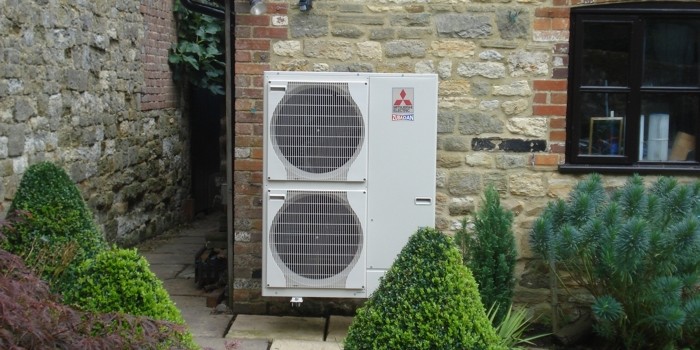
One key current government scheme is the Boiler Upgrade Scheme (BUS). This replaced the old Renewable Heat Incentive (RHI) and offers homeowners in England and Wales an upfront grant to help with the cost of installing low-carbon heating systems such as air-source or ground-source heat pumps and in some cases, biomass boilers. The grant amount commonly offered is £7,500 towards a heat pump and around £5,000 for a biomass boiler. It’s designed to make greener heating more affordable for those switching from fossil fuel systems. The installer usually handles the application on your behalf.
Are home energy grants worth it?
For eligible households, grants can significantly reduce the cost of essential improvements that would otherwise be unaffordable.
However, they’re not always the fastest or simplest route. Application processes, eligibility checks and installer requirements can add complexity.
The key is knowing whether a scheme aligns with your home, your circumstances and your long-term plans, not just whether funding exists.
What to do next
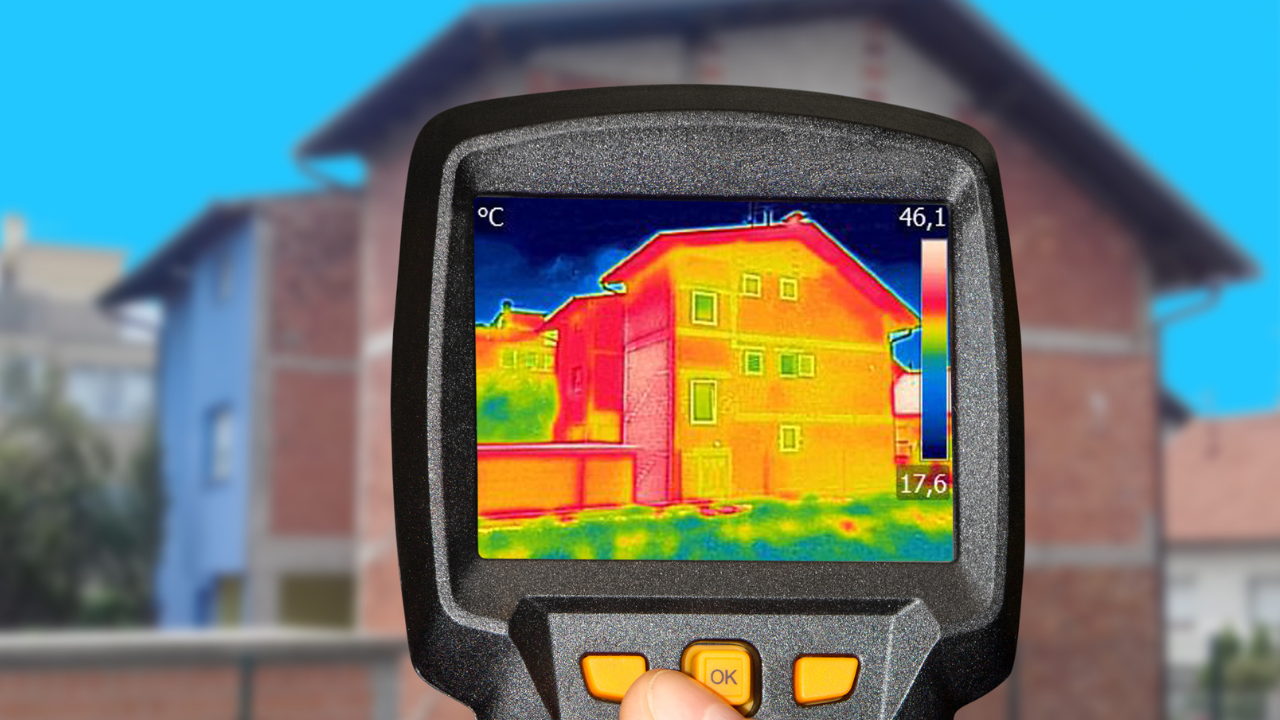
If you’re considering energy efficiency improvements, a good next step is to understand where your home currently loses heat, check you EPC rating, explore local and national schemes you may qualify for and plan upgrades in a logical order.
If you’re looking for practical steps you can take right now to cut heat loss and reduce energy costs, our guide to 100 ways to save energy in your home offers a wide range of tips you can start with today.
Energy grants aren’t about quick wins, they’re about long-term improvements. Knowing how they work puts you in a much stronger position to decide what makes sense for your home.